Reliable drug test cups for multi‑panel drug detection are a practical foundation for employers, clinics, and testing resellers who need fast, defensible urine screening, and 14 panel cups are often chosen when broader substance coverage is required without sacrificing speed or ease of use. As on‑site screening tools, multi‑panel cups combine convenience with immediate results, but not all options perform equally. This guide breaks down how multi‑panel cups work, the reliability factors to evaluate, essential product features, use‑case recommendations, panel‑size comparisons, and supplier selection tactics, helping professionals choose products that protect liability, reduce false positives, and integrate smoothly into operational workflows.
What Are Multi-Panel Drug Test Cups?
How Multi-Panel Cups Work
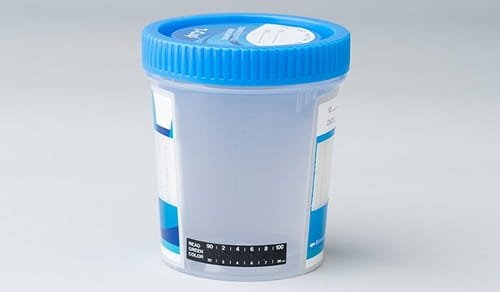
Multi-panel drug test cups are single-use collection devices that incorporate lateral-flow immunoassays to screen urine for multiple drug classes at once. The tester collects a urine specimen directly into the cup: built-in test strips react with specific drug metabolites and display visible lines to indicate negative or presumptive positive results. Many cups also include an internal temperature strip and tamper-evident features so the specimen’s integrity can be assessed at collection.
These devices are designed for point-of-care use: they deliver rapid results (typically within 5–10 minutes) without specialized equipment or lab personnel. That speed makes them ideal for preemployment screening, workplace testing, clinical point-of-care decisions, and mobile testing services.
Common Panels And Typical Cutoff Levels
Multi-panel cups vary by the number of analytes they screen. Common panel configurations include 6-, 10-, 12-, 13-, and 14-panel cups. Typical drug classes detected include:
- THC (marijuana): standard cutoff 50 ng/mL
- Cocaine metabolite (Benzoylecgonine): 300 ng/mL
- Opiates (Morphine/Codeine): 2000 ng/mL (some 300 ng/mL panels exist)
- Amphetamines/Methamphetamine: 1000 ng/mL
- MDMA (Ecstasy): often included at 500 ng/mL
- Oxycodone, Buprenorphine, Tramadol, Benzodiazepines, Barbiturates, Methadone, PCP, and Others depending on panel size
Cutoff levels are critical because they determine detection sensitivity. Industry-standard cutoffs (SAMHSA-based) are commonly used for workplace compliance: clinical or forensic programs may opt for lower cutoffs to increase sensitivity. Buyers should confirm each cup’s cutoff levels on the manufacturer’s spec sheet to align with their testing policy.
Key Reliability Factors To Evaluate
Accuracy, Sensitivity, And Specificity
Accuracy in a drug test cup refers to how well the device identifies true positives and true negatives. Sensitivity measures the cup’s ability to detect low concentrations of drug metabolites (true positives), while specificity measures how well it avoids false positives from cross-reacting substances. A reliable cup balances both: high sensitivity reduces missed detections, and high specificity minimizes false alarms that trigger unnecessary confirmatory testing.
Third-party validation data and peer-reviewed comparisons are invaluable. A vendor claiming >98% accuracy should supply comparison studies against GC-MS or LC-MS/MS confirmatory results.
Regulatory Status And CLIA Waiver
Regulatory status affects where and how a cup may be used. Many point-of-care cups are CLIA-waived, meaning lay personnel can perform the test in waived settings under the Clinical Laboratory Improvement Amendments. For workplace screening, CLIA waiver simplifies administration: for forensic or DOT (Department of Transportation) testing, specific chain-of-custody and laboratory confirmatory protocols still apply.
Buyers should verify whether the cup is labeled for CLIA-waived use, and whether it meets relevant FDA or regional regulatory requirements.
Quality Control, Lot Testing, And Expiration Management
Reliable suppliers carry out lot-level QC, including functional testing and certificate of analysis (CoA) documentation. Lot testing helps catch manufacturing variability that could affect sensitivity or specificity. Expiration dates are also key: immunoassay reagents degrade over time, so strict inventory rotation (first-expire, first-out) avoids using out-of-date devices.
Organizations should require suppliers to provide batch CoAs, and maintain internal protocols to log lot numbers, expiration dates, and QC checks for compliance and traceability.
Essential Features To Look For When Buying
Tamper Evidence, Leak Proofing, And Chain Of Custody Design
A quality drug test cup integrates tamper-evident seals and secure lids to prevent adulteration after collection. Leak-proof construction is a practical must for transport and handling. Some cups include detachable lids with writable surfaces for sample identification and unique barcodes that feed into a chain-of-custody (COC) workflow, features that simplify documenting custody and minimize sample mix-ups.
Adulteration And Dilution Detection (Creatinine, pH, Specific Gravity)
Robust cups incorporate adulteration checks: creatinine concentration, pH, and specific gravity indicators detect diluted or chemically altered specimens. Low creatinine or abnormal pH values flag potential tampering and guide whether a recollection is necessary. For workplace and clinical programs, these measures reduce both false negatives and administrative exposure.
Panel Configuration, Result Readability, And Turnaround Time
Panel configuration should match the intended use. For general preemployment or workplace screens, a 6–10 panel cup might suffice. For clinical pain-management monitoring, 12+ panels that include oxycodone, tramadol, and buprenorphine are more appropriate.
Result readability matters: clear control and test lines, with a well-designed result window and concise interpretive instructions, reduce operator error. Turnaround time (time-to-result) is typically 5–10 minutes: predictable timing keeps workflows efficient and reduces waiting-room congestion.
Packaging, Shelf Life, And Storage Requirements
Look for packaging that protects against moisture and extreme temperatures, single-foil packaging for each cup lengthens shelf life. Typical shelf life ranges from 12 to 24 months depending on storage conditions. Confirm manufacturer-recommended storage temperatures and whether cold-chain is required for longer-term storage in certain climates.
Use Cases And Best Practices For Reliable Results
Choosing The Right Panel For The Use Case (Workplace, Clinical, DOT, Preemployment)
Match panel complexity to the decision being made. DOT-regulated testing follows specific federal guidelines and requires certified labs for confirmatory testing: point-of-care cups are typically used for initial screening only. Preemployment and routine workplace testing often favor standard 5–10 panel cups aligned to policy. Clinical settings may need expanded panels for prescription monitoring and patient safety.
Proper Collection, Handling, And Tester Training
Even the best cup will underperform if collection procedures are lax. Proper training covers specimen labeling, observation protocols (as appropriate), timing for reading results, and interpretation of dilution/adulteration flags. Training reduces operator-dependent variability that can cause false results and subsequent disputes.
Interpreting Results And When To Order Confirmatory Testing
Rapid cups provide presumptive results. Any non-negative (presumptive positive) should be followed by a confirmatory test, ideally GC-MS or LC-MS/MS, performed at an accredited laboratory. Confirmatory testing is essential before adverse employment actions or clinical changes. Clinicians and employers should document the rationale for confirmatory testing and reference laboratory chain-of-custody procedures.
Documenting Chain Of Custody And Compliance Considerations
Documenting chain of custody, from collection through transport to confirmatory testing, protects organizations against legal and regulatory challenges. Use labels, barcodes, timestamped logs, and signed custody forms. For employers and agencies, written policies that define roles, thresholds for action, and confirmatory pathways ensure consistent, defensible decisions.
Comparing Multi-Panel Options: 6, 10, 12, 13, And 14 Panel Cups
Pros, Cons, And Typical Applications By Panel Size
- 6-Panel Cups: Pros, lower cost, common workplace coverage (THC, COC, OPI, AMP, MET, PCP). Cons, limited prescription-drug coverage. Best for general preemployment and routine screening.
- 10-Panel Cups: Pros, broader detection (often adds benzodiazepines, barbiturates, methadone, oxycodone). Cons, higher cost, still may miss some newer synthetic opioids. Best for employers needing more comprehensive oversight.
- 12–14 Panel Cups: Pros, extensive coverage including buprenorphine, tramadol, fentanyl, and extended benzodiazepine panels. Cons, costlier and may require updated interpretive training. Best for clinical programs, pain-management clinics, and high-risk safety-sensitive roles.
Price Vs. Performance: When To Invest In Higher-Spec Cups
Price scales with panel breadth and features (adulteration testing, tamper evidence, barcode tracking). Organizations should weigh the cost of wider screening against the cost of missed detections or costly confirmatory follow-ups. For high-liability contexts, transportation, healthcare, childcare, investing in higher-spec cups reduces downstream risk. For basic screening where follow-up confirmatory testing is routine, standard 6–10 panel cups may be cost-effective.
Supplier Selection And How To Source Reliable Products
Certifications, Vendor Reputation, And Sample References
When sourcing reliable drug test cups, prioritize suppliers with verifiable certifications, positive third-party reviews, and accessible sample references. Request ISO/FDA documentation where applicable, CLIA-waiver statements, and lot CoAs. Reputable vendors will provide case studies or client lists (redacted as needed) and offer traceability for each lot shipped.
Ordering Strategies: Bulk Buying, Sample Testing, And Quality Checks
Bulk buying reduces unit cost but increases inventory risk. A practical strategy is to pilot a batch: order samples and run them against known positive/negative specimens and an accredited lab’s confirmatory panel. Include lot-number checks and periodic random QC testing after large shipments arrive.
Integrating Testing Into Policies And Operational Workflows
A reliable supply is only one part of a dependable program. Vendors who offer training materials, customizable COC forms, and barcode integration support simplify onboarding. Align procurement cycles with shelf-life constraints, and integrate inventory management into broader HR or clinical workflows so testers always have properly stored, in-date cups available when needed.
Conclusion
Choosing reliable drug test cups for multi-panel drug detection hinges on matching product features to the program’s risk profile, compliance needs, and budget. Evaluating accuracy, regulatory status, adulteration checks, and chain-of-custody design helps reduce risk, while piloting products and demanding vendor documentation protects against variability. For businesses reselling tests or using them in client-facing services, investing a bit more in traceability and broader panel coverage pays off in defensibility and client trust. With the right supplier relationships, inventory controls, and tester training, multi-panel cups become a dependable first line of screening that complements confirmatory laboratory testing.