Even the best weed control program can fall short if damage is coming from below the surface. Lawn grubs, the C-shaped larvae of scarab beetles, feed on grassroots and can quietly undo months of good maintenance, turning healthy turf into thin, brown patches almost overnight. That’s why timely lawn grub treatment is a critical part of protecting overall lawn health, especially for busy professionals and site owners who want predictable results without constant troubleshooting. Effective control starts with recognizing early signs of infestation, spongy turf, increased bird activity, and sections of grass that lift easily from the soil, then choosing the right response. This guide explains when action is warranted and compares chemical, biological, and cultural strategies so homeowners can protect root systems efficiently, whether they apply treatments themselves or work with a professional.
What Are Lawn Grubs And Why They Threaten Turf
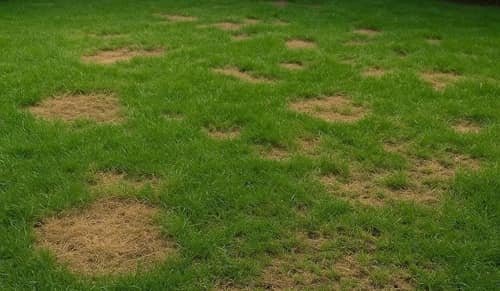
Lawn grubs are the larval stage of several beetle species, Japanese beetles, June beetles, and chafer beetles among them. They live in the top few inches of soil and feed on grassroots and root hairs. A few grubs won’t kill a lawn, but as populations increase they sever roots, reduce water uptake, and leave turf prone to drought stress and mechanical damage.
Damage often appears as irregular brown patches that can be pulled up like a loose carpet because the roots have been eaten away. Grub outbreaks are influenced by beetle lifecycles, local climate, and soil conditions. In many temperate regions a single generation per year is typical: adults emerge in late spring or early summer to mate and lay eggs, larvae feed through summer and fall, then overwinter and resume feeding in spring before pupating. That feeding window is precisely when grass root systems are vulnerable, so timely intervention preserves both topgrowth and the unseen root network that supports long-term turf health.
Signs Of Infestation And How To Inspect Your Lawn
Early detection saves time and money. Common signs of grub presence include:
- Irregular brown or thinning patches that expand over weeks.
- Turf that lifts easily when pulled, exposing short or missing roots.
- Increased bird, raccoon, skunk, or fox activity ripping turf to eat grubs.
- Localized wilting during otherwise mild weather.
A simple inspection is the next step. Use a flat spade or shovel to cut a 1-foot square section about 2–3 inches deep. Gently peel back the turf and examine the soil and root zone. Healthy soil will show intact roots and few if any larvae. An infestation of concern typically shows more than 5–10 grubs per square foot: thresholds vary by grass type and location, but this rule-of-thumb helps prioritize action. Note the grub size and color: small (<1/2 inch) pale larvae indicate recent egg hatch: larger C-shaped grubs are older and more damaging. Recording locations and patterns on a simple map helps target treatments more efficiently, no need to spray the entire yard if the problem is limited to gutters or shaded lawns.
When To Treat: Assessing Damage And Thresholds For Action
Treatment timing depends on grub life stage, turf stress, and infestation density. Immediate treatment is usually warranted when:
- Counts exceed the 5–10 grubs per square foot threshold and grass shows thinning.
- There’s active feeding in spring or fall when roots are regenerating.
- Wildlife damage is revealing significant grub presence.
If counts are low and turf remains vigorous, monitoring and cultural measures may suffice. For residential properties where aesthetics and usability matter, proactive treatment in late summer, when newly hatched larvae are small and vulnerable, often prevents the biggest root losses. Commercial properties or high-value lawns may adopt preventive programs timed to local beetle biology. Eventually, the decision should balance cost, environmental considerations, and the value placed on turf condition.
Treatment Options: Chemical, Biological, And Cultural Approaches
A multi-pronged approach gives the best long-term results. Treatments fall into three broad categories: chemical insecticides, biological controls, and cultural/mechanical methods. Each has strengths and limitations: combining compatible tactics reduces reliance on any single method and supports root recovery.
Chemical Treatments And Application Best Practices
Synthetic insecticides, often containing neonicotinoids (e.g., imidacloprid), chlorantraniliprole, or pyrethroids in adult-targeted products, can be effective when applied at the right time. Key application tips:
- Target young larvae in late summer through early fall for best control. Small grubs ingest soil-applied systemic materials more readily.
- Apply after a period of light watering or just before rainfall to move product into the root zone: follow label irrigation instructions.
- Calibrate spreaders and sprayers to avoid over-application: more product won’t always mean better results and increases environmental risk.
- Follow local regulations and read labels, some active ingredients have restrictions to protect pollinators and aquatic life.
Chemical options offer predictable control but carry environmental and non-target risks. For site owners who prioritize sustainable branding or who operate near sensitive habitats, biological or cultural options may be preferred.
Biological Controls: Nematodes, Milky Spore, And Beneficial Predators
Biologicals are increasingly popular because they target grubs with lower non-target impact. Practical choices include:
- Entomopathogenic nematodes (Heterorhabditis or Steinernema species): These microscopic worms parasitize grubs when applied under moist conditions. They work best on warm, moist soil and against small to mid-stage larvae. Application requires refrigeration storage and timely use for maximum viability.
- Bacillus popilliae (milky spore): A bacterial disease specific to Japanese beetle larvae. It can provide long-term suppression in areas dominated by that species, but results may take multiple seasons to appear and efficacy varies by soil and climate.
- Encouraging natural predators: Birds and predatory insects reduce grub pressure. Planting diverse borders and minimizing broad-spectrum insecticide use helps these allies thrive.
Biological controls fit well into integrated pest management (IPM) plans and appeal to eco-conscious property managers.
Cultural And Mechanical Methods: Aeration, Watering, And Manual Removal
Cultural practices strengthen turf so it tolerates some grub feeding and recovers quickly:
- Aeration improves root penetration, drainage, and movement of any soil-applied products into the root zone.
- Proper watering, deep, infrequent irrigation, promotes deeper roots that resist grub damage better than shallow-rooted turf.
- Overseeding thin areas, topdressing with quality compost, and mowing at recommended heights for the grass species accelerate recovery.
- Manual removal (hand-picking) is realistic for small plots or localized outbreaks.
These measures are foundational, together they build soil resilience and reduce the need for repeated insecticide applications.
Preventive Lawn Care To Reduce Future Grub Problems
Preventive care reduces both the likelihood and severity of grub outbreaks. A proactive regimen blends soil health practices, proper mowing, and informed timing.
Soil Health, Mowing, Watering, And Fertilization Strategies
Healthy soil supports robust roots that withstand stress. Recommendations include:
- Test soil every 2–4 years to guide balanced fertilization and pH adjustments: extremes in pH can stress grass and favor pests.
- Mow at recommended heights for the grass species, taller mowing shades soil, encourages deeper roots, and reduces beetle egg-laying attractiveness in some cases.
- Adopt deep, infrequent irrigation schedules to encourage root depth. Avoid nightly shallow watering that promotes shallow roots and fungal issues.
- Use slow-release fertilizers in spring and fall to avoid excessive topgrowth that attracts beetles. Organic amendments like compost improve soil structure and microbial diversity, which can indirectly suppress pests.
Timing Preventive Treatments And Seasonal Calendar
A seasonal calendar helps align interventions with beetle lifecycles:
- Late spring–early summer: Monitor for adult beetles and consider adult control measures if severe.
- Mid to late summer: Apply preventive biologicals or insecticides when eggs are hatching and larvae are small, this is the highest-impact window.
- Fall: Continue monitoring: in regions with fall larval activity, treatments and cultural recovery help roots harden for winter.
Documenting past infestations and treatments enables smarter decisions next season. For busy professionals who manage multiple properties, a simple calendar reminder tied to local degree-day models or community extension service alerts can automate timely action.
Timing, Application Tips, And Monitoring After Treatment
Correct timing and follow-up determine long-term success. After applying treatments:
- Monitor the same sampled areas two to four weeks post-treatment to assess reduction in grub counts and turf response.
- Reapply biologicals or follow-up chemical applications only according to label guidance and observed need: avoid calendar-driven overuse.
- Continue cultural recovery, water deeply to help root regrowth, overseed bare patches, and apply starter fertilizer if recommended after a soil test.
- Keep an eye on non-target impacts: increased bee mortality or waterway contamination signs warrant immediate suspension of chemical treatments and consultation with local extension services.
Clear documentation, dates, products used, weather conditions, and observed outcomes, makes future campaigns more effective and aligns with best practices in professional grounds management.
Safety, Environmental, And Pet Considerations
Safety and reputation matter. Chemical choices affect local ecosystems, pollinators, pets, and human residents. Best practices include:
- Read and follow label directions precisely: labels are legal documents designed to protect applicators and the environment.
- Keep children and pets off treated areas for the recommended period: store products securely.
- Prefer targeted biologicals where practical, and avoid broad-spectrum insecticides during flowering periods when pollinators forage.
- Dispose of unused pesticide and empty containers according to local hazardous waste guidelines.
For businesses managing multiple properties, landscapes for office parks, rental units, or client sites, transparent communication about treatment plans reassures tenants and reduces liability. When in doubt, consult cooperative extension services, certified applicators, or integrated pest management professionals.
Conclusion
Protecting grass and root health from lawn grubs is a blend of timely detection, appropriate treatment selection, and ongoing cultural care. Whether someone chooses a chemical, biological, or mixed approach, the most reliable outcomes come from targeting young larvae, improving soil and root resilience, and monitoring results. For busy professionals who value predictable outcomes, like those running digital businesses or agencies, planning treatments on a seasonal calendar and documenting results provides control and reduces surprises. Investing a few proactive hours in inspection and a modest treatment at the right time can save far more in repair costs, restore turf utility, and keep landscapes healthy for seasons to come.