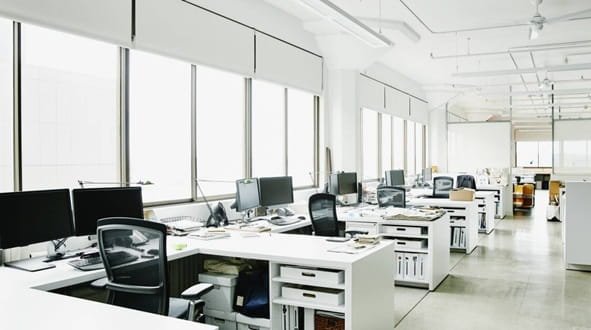
Modern corporate workspaces are no longer just places to house desks and computers. They have evolved into dynamic environments designed to foster collaboration, wellbeing, and innovation. With expectations shifting heavily toward health and safety in recent years, the physical upkeep of these buildings has never been more vital. Behind every sleek glass facade and open-plan layout is a rigorous operational strategy required to keep the building functioning at its peak. Facility maintenance is often viewed as a background task, yet it remains one of the most critical factors in determining a property’s long-term value. In fact, if you want to understand how to maximise your ROI from renting an office building, you must look closely at ongoing operational expenses like proactive maintenance and daily upkeep. Without a solid plan, minor wear and tear can quickly escalate into costly structural repairs that eat into a company’s bottom line. The physical environment shapes corporate culture, influences staff retention, and directly affects how visiting clients perceive your business.
The Hidden Cost of Poor Indoor Air Quality
When planning maintenance schedules, property managers tend to focus heavily on visible issues like broken fixtures, peeling paint, or stained carpets. Yet, the invisible elements of a workspace are just as vital to business success. The air your employees breathe plays a surprisingly large role in their daily output and overall comfort. Dust, allergens, and volatile organic compounds can easily accumulate in enclosed corporate environments with poor or outdated ventilation. Over time, these microscopic pollutants circulate through the air conditioning systems, settling onto desks and being inhaled by staff members.
According to research from the International Facility Management Association, poor indoor air quality and the buildup of pollutants like fine particulate matter in office spaces directly impair cognitive function and severely impact employee productivity. When airborne contaminants are left unchecked, businesses often experience higher absentee rates and an overall sluggishness in the workforce. This phenomenon, often referred to as sick building syndrome, drains company resources silently. A well-maintained facility actively fights this problem through rigorous daily hygiene standards and diligent environmental monitoring. Keeping the air clean is a fundamental component of duty of care for any Australian employer.
Equipping Your Team for High-Traffic Demands
Maintaining optimal air quality and surface cleanliness requires more than just standard housekeeping. High-traffic zones such as lobbies, corridors, and open-plan floors endure constant stress throughout the work week. The friction of hundreds of shoes daily grinds dirt into commercial flooring, which eventually becomes airborne if not properly managed. To effectively capture fine dust before it circulates, facility managers must invest in professional-grade tools that can handle large surface areas without spreading allergens back into the environment.
Transitioning from standard domestic cleaners to robust commercial vacuums allows maintenance teams to extract deeply embedded particulate matter from carpets and hard floors with exceptional efficiency. These heavy-duty machines are engineered with advanced filtration systems that trap microscopic pollutants before they can be redistributed into the breathing zone. By upgrading your cleaning fleet, you ensure that daily upkeep actually improves the environmental quality of the building rather than merely moving dust from one surface to another. Furthermore, industrial-grade equipment boasts a much longer operational lifespan, reducing the need for constant replacements and lowering overall maintenance overheads. Having the right equipment empowers your cleaning staff to do their jobs safely and effectively.
Core Strategies for Preventive Facility Upkeep
Shifting from a reactive maintenance model to a preventive one is the most effective way to protect a corporate real estate investment. A proactive approach minimises unexpected disruptions to daily business operations while extending the lifespan of the building’s core assets. To optimise your facility management programme, consider implementing the following fundamental strategies:
- Schedule routine HVAC servicing: Heating, ventilation, and air conditioning systems are the true lungs of your building. Regular filter replacements and duct cleaning are mandatory for regulating indoor air quality, maintaining energy efficiency, and combating seasonal climate shifts.
- Implement zoned cleaning protocols: Allocate your maintenance resources to high-impact areas. Foyers, elevators, and breakrooms need intensive daily attention, while secondary storage rooms or private meeting spaces may only require weekly checks.
- Track assets with smart sensors: Modern building management systems can monitor everything from room occupancy to internal humidity levels. This real-time data helps facility managers deploy maintenance teams exactly when and where they are needed, saving on unnecessary labour costs.
- Establish a rapid response system: Encourage tenants and employees to report minor issues like a leaking tap or flickering light immediately. Fixing small problems on the spot prevents them from turning into massive repair bills or safety hazards down the line.
- Conduct regular structural audits: Beyond daily cleaning, engage professionals to inspect the building facade, roof, and foundational elements annually. Spotting weather damage early saves thousands of dollars in emergency restoration work.
Long-Term Benefits of Strategic Maintenance
Optimising facility maintenance in a modern corporate workspace is an ongoing commitment that requires the right strategy, proactive planning, and heavy-duty equipment. Property managers who prioritise indoor environmental quality alongside traditional structural repairs see a noticeable difference in tenant satisfaction, reduced operational costs, and lease renewal rates.
By taking a proactive stance on building upkeep, companies can create a healthier, more vibrant workplace that protects their financial investments while actively supporting the people who work inside it every single day. The ultimate goal is to foster a safe, welcoming, and productive environment that drives business success forward.