You open a fixed deposit today at 7.5%. Your neighbour opens the same FD six months later at 6.8%. Same bank. Same tenure. Different rate.
Why does this happen?
The answer lies with the RBI. The RBI controls a key interest rate called the repo rate. When this rate changes, fixed deposit interest rates across all banks change too. Understanding this cycle helps you open your online FD deposit at the right time and get the best possible return.
What is the RBI Repo Rate?
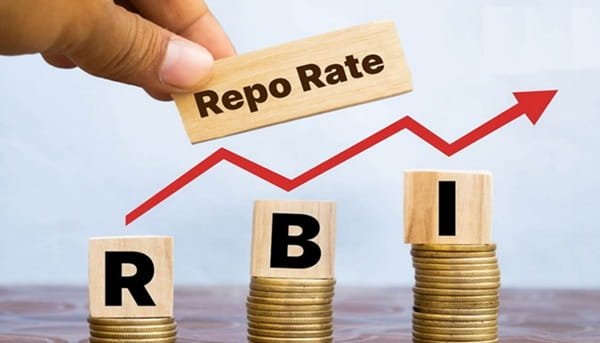
The repo rate is the rate at which the RBI lends money to banks.
Banks sometimes need extra money for daily operations. They borrow from the RBI. The rate they pay for this borrowing is the repo rate.
- When the repo rate goes up, borrowing becomes expensive for banks
- When the repo rate goes down, borrowing becomes cheaper
This directly affects what banks offer you as a depositor.
How the Repo Rate Affects Your FD Returns
Here is the simple chain reaction:
When RBI increases the repo rate:
- Banks raise FD rates to attract more deposits
- You earn more interest on your fixed deposit
When RBI decreases the repo rate:
- Banks no longer need to offer high FD rates
- Fixed deposit interest rates fall across most banks
This cycle goes up and comes down repeatedly based on the state of the economy.
What Drives RBI to Change Rates?
The RBI does not change rates randomly. Two main factors drive its decisions.
- Inflation – When prices of goods and services rise too fast, the RBI increases the repo rate. Higher borrowing costs slow down spending and bring inflation under control. This is called a rate hike cycle.
- Economic growth – When the economy slows down and needs a push, the RBI reduces the repo rate. Cheaper loans encourage businesses to borrow and expand. This is called a rate cut cycle.
| RBI Action | Reason | Impact on FD Rates |
| Repo rate hike | Control inflation | FD rates go up |
| Repo rate cut | Boost economy | FD rates go down |
| Rate pause | Wait and watch | FD rates stay stable |
Understanding where the RBI is in this cycle helps you make smarter FD decisions.
The Best Time to Open an FD
Knowing when to make an online FD deposit can make a real difference to your returns.
During a rate hike cycle:
- Open short-term FDs of 6 to 12 months
- Lock in a long-term FD once rates peak
During a rate cut cycle:
- Lock in a long-term FD immediately
- Do not wait, hoping for better rates, they will only fall further
During a rate pause:
- A comfortable time to open any tenure FD
- Compare rates across banks and pick the best one
How an FD App Download Helps You Stay Updated
Rate changes happen multiple times a year. Staying on top of them manually is not easy.
This is where an FD app download becomes useful. A good FD app keeps you informed in real time.
- Sends notifications when RBI announces a rate change
- Updates bank FD rates automatically on the platform
- Lets you compare rates across multiple banks instantly
- Shows you which banks have revised rates upward or downward
Without an app, you would need to check each bank’s website separately. By the time you compare and decide, the best rates may already be gone.
With an app, you see the changes immediately and can act fast.
What Happens to Existing FDs When Rates Change?
This is a question many investors ask. The answer is straightforward.
Your existing FD is not affected. The rate you locked in stays the same till maturity. Rate changes only affect new FDs opened after the announcement.
This is why timing matters.
- If you opened a 3-year FD at 7.5% and rates fall to 6.8%, you still earn 7.5%
- If you waited and opened after the cut, you earn 6.8% for 3 years
Over three years on ₹5 lakh, that 0.7% difference adds up to over ₹10,000 in lost interest.
Final Thoughts
The RBI rate cycle is not complicated once you understand it. It goes up to fight inflation. It comes down to support growth. Fixed deposit interest rates follow this movement closely.
As an investor, your job is simple. Know where the cycle is. Open your online FD deposit at the right time. Use an FD app to track rates and act fast.
A little awareness of the rate cycle can add thousands of rupees to your FD returns over the years — without taking any extra risk.