Imagine opening an app to scan a UPI QR code, use a credit card, keep money in a savings account, or borrow a small amount when you need it. A few years ago, Slice was mainly known as a fintech company offering credit to young Indians. Today, the business is much broader.
After Slice merged with North East Small Finance Bank, the combined entity became Slice Small Finance Bank. The merger became effective on October 27, 2024. Slice can now accept deposits, issue loans from its own bank, offer savings accounts and fixed deposits, provide a UPI-linked credit card, and serve individuals as well as small businesses.
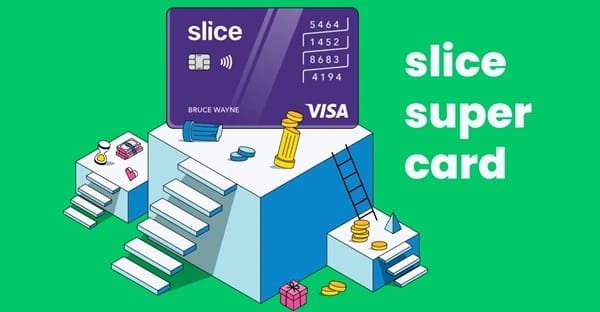
That means the Slice business model is no longer based on one card or one lending product. It now works much more like a digital-first bank: bring customers in through easy payments and savings products, use deposits to fund lending, earn interest and fees from credit products, and generate additional income from banking and payment services. Let’s break down the model step by step.
1. Interest From Personal Loans and Slice Borrow
Lending is one of the most important ways Slice makes money.
Through Slice Borrow, eligible users can access instant credit of up to ₹5 lakh. The money can be transferred to a bank account or, in some cases, used directly for merchant payments through UPI.
Slice charges interest on this borrowing. Its current digital-lending disclosures show annual interest rates ranging from about 14.13% to 30.69%, depending on the customer, loan size, tenure, and risk assessment. It can also charge a one-time processing fee of up to 4% plus GST, with a minimum fee of ₹50.
Consider a simple example. Priya needs ₹50,000 for an urgent expense and takes a loan through Slice. She repays it over several months. Slice earns interest on the outstanding loan and may also receive the applicable processing fee.
The numbers show how important lending has become. In FY2025-26, Slice Small Finance Bank earned about ₹979.9 crore in total interest income. Roughly ₹890.6 crore of that came from interest on loans and advances.
2. Credit Card Interest and Other Card Charges
Slice is also building its business around the Slice UPI Credit Card.
The card has no joining fee and no annual membership fee. Customers can link it to UPI and use credit while scanning eligible merchant QR codes, as well as use it for regular card payments.
So how can a free card make money?
The biggest opportunity appears when customers do not pay their full credit card bill by the due date. Slice currently lists finance charges of 3.5% per month, equal to an annual rate of 42%, on revolving balances after the interest-free period ends.
Slice can also earn through specific card-related fees. For example, transferring money from an available credit limit to a savings account currently carries a 2.5% fee, subject to a minimum charge. Certain categories such as rent, education, wallet loading, fuel, or high-value utility payments can also attract service charges under the current card rules.
Slice also promotes features such as “slice in 3,” which lets eligible users split certain purchases into three instalments without an extra customer charge. It is useful to separate this from ordinary revolving credit: the customer-facing instalment feature is designed as a convenience product, while Slice’s broader card economics come from lending, transaction activity, and applicable fees rather than from an annual membership charge.
3. Payment and Card Transaction Income
Even when a customer pays the credit card bill fully and never pays interest, card usage can still have value for Slice.
When a customer uses a credit card at a merchant, different participants in the card-payment system share transaction-related fees. As the card-issuing bank, Slice can receive its share of the economics generated by eligible card transactions.
The bank does not separately disclose how much of its income comes specifically from card interchange. Its FY2025-26 accounts instead report a broader “other income” figure that includes processing fees, service charges, commissions, income from third-party products, recoveries, and other items.
4. Deposits Make Lending More Efficient
This is one of the most important changes in Slice’s business model after becoming a bank.
Before the merger, a fintech lender generally depended more heavily on outside lenders or borrowed funds to finance credit. A licensed bank can collect deposits directly from customers.
Slice now offers zero-balance savings accounts and fixed deposits. Its savings account currently pays interest linked to 100% of the RBI repo rate, while fixed-deposit rates vary by tenure.
Slice pays depositors interest, but deposits provide valuable funding. Subject to banking rules, the bank can use part of this funding to make loans at higher rates. The difference between what it earns on loans and investments and what it pays for funding helps support the business after costs and credit losses.
At March 2026, Slice reported deposits of about ₹5,132 crore, up from ₹2,418 crore a year earlier. About 94.2% of deposits came from retail term deposits and CASA accounts. More than five million digital savings accounts had been opened since the savings product launched in March 2025.
That retail deposit base is strategically important because it reduces dependence on more expensive outside borrowing.
5. Merchant and Small-Business Loans
Slice is not lending only to individual consumers.
Its business-banking side also offers credit to merchants and small businesses. Current products include digital merchant loans and unsecured MSME loans.
Digital merchant loans can offer eligible businesses up to ₹5 lakh. Slice’s published rates currently range from 20% to 36% a year for this product, with processing fees of up to 5% plus GST.
For other unsecured MSME loans, published rates currently range from about 17% to 36%, depending on the borrower and product terms.
Imagine a small restaurant owner who needs ₹3 lakh to buy new kitchen equipment. Instead of arranging collateral, the business may qualify for an unsecured loan based on its financial profile and repayment ability.
Slice earns interest and applicable fees from such lending. At the same time, the current account and repayment relationship can keep that merchant within Slice’s wider business-banking ecosystem.
6. Investment Income and Treasury Operations
Banks do not put every rupee of deposits into personal or business loans.
They are required to maintain liquidity and invest part of their funds in approved financial assets. These investments can generate interest income.
Slice’s FY2025-26 financial results show about ₹77.6 crore of income from investments and about ₹11.3 crore of interest on balances with the RBI and other inter-bank funds. These amounts were smaller than interest earned from loans, but they still form part of the bank’s overall income engine.
7. Processing Fees, Service Charges and Other Banking Income
Not every rupee Slice earns comes from interest.
The bank reported about ₹422.8 crore of “other income” in FY2025-26. Its regulatory financial results say this category includes processing fees, service charges on deposit and banking products, commissions from third-party products, recoveries from written-off accounts, and other sources.
A customer may pay for an optional physical debit card. ATM withdrawals beyond the free monthly limit can attract charges. Certain credit card transactions carry service fees. Loans can include processing fees. Business customers may use banking services that create additional fee income.
With more than 20 million registered customers, small transaction and service fees can add up. Slice therefore combines lending income with many smaller sources of banking income.
8. Why the Full-Stack Bank Model Matters
Slice’s biggest structural advantage today is that it controls much more of the customer journey than it did as a standalone fintech.
A person can open a Slice savings account, receive interest on savings, use UPI, get a UPI-linked credit card, take a personal loan, create a fixed deposit, and access other banking services inside the same ecosystem.
Slice itself describes the credit card as an entry point that can lead customers into savings, deposits, UPI, and other products.
The merger also means Slice can operate core banking and underwriting infrastructure itself instead of depending entirely on outside banking partners. That gives it greater control over product design, credit decisions, funding, and customer experience.
9. What Do the Latest Numbers Tell Us?
FY2025-26 was Slice’s first full financial year as a newly merged banking entity, and the results show how quickly the model changed.
Slice Small Finance Bank reported:
- Total income of about ₹1,402.7 crore
- Interest income of about ₹979.9 crore
- Other income of about ₹422.8 crore
- Profit after tax of about ₹48.4 crore
- Gross advances of about ₹4,532 crore
- Deposits of about ₹5,132 crore
- More than 20 million registered customers
- More than five million digital savings accounts opened since launch
The bank had reported a loss of about ₹216.7 crore in FY2024-25. The move to a ₹48.4 crore profit shows how much the economics improved in its first full year after the merger.
Conclusion
The modern Slice business model is built around being a digital-first bank.
Its biggest revenue engine is interest from personal, credit card, merchant, and other loans. Credit card users can also generate finance charges and service fees when applicable, while everyday card transactions contribute to payment-related income.
Savings accounts and fixed deposits are important even though Slice pays customers interest on them. These deposits give the bank a stable source of funding that can support lending. Investment income, loan-processing fees, banking charges, commissions, and other services add further revenue.
In simple words, Slice brings customers in with easy digital banking, UPI, savings, and a modern credit card, then earns mainly by lending money responsibly and providing additional banking services around that relationship.
That is the key idea behind the Slice business model: instead of making money from one fintech product, Slice is trying to make money from the customer’s entire banking relationship.