A traffic camera often feels like the one witness that never forgets.
People assume that if a pedestrian accident happens near an intersection, there must be a video recording that clearly shows what happened. That expectation can quickly become a problem when investigators discover the footage is missing, deleted, or was never recorded in the first place. In many situations, individuals hoping to file a pedestrian injury claim in Tampa are surprised to learn that the video they expected to rely on may not exist.
Once that possibility enters the picture, the direction of the entire case can begin to change.
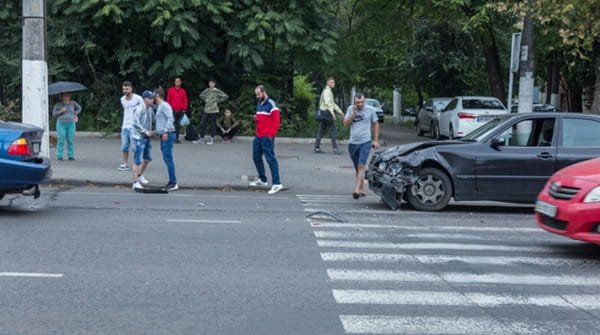
The Few Seconds Everyone Wants to See
After a pedestrian accident, attention often turns to nearby cameras. A recording may help answer questions about vehicle speed, traffic signals, pedestrian location, and driver actions before impact.
Video evidence can sometimes remove uncertainty from an investigation. Instead of relying on memory, investigators can review what actually happened. This is why missing footage often creates immediate concern.
Without a recording, important details may become harder to verify. Investigators must then rely on other forms of evidence to understand how the collision occurred.
Not Every Camera Records What People Assume It Does
Many people believe every traffic camera automatically stores footage. In reality, that is not always the case.
Cameras That Monitor Traffic Rather Than Store Video
Some cameras are designed only to help traffic agencies monitor road conditions in real time. These systems may display live images without saving recordings for future review.
As a result, a camera may have captured the incident visually but still leave no footage behind for investigators.
Limited Storage and Automatic Deletion
Even cameras that record video often have storage limits. Older footage may be deleted automatically after a certain period.
This means evidence can disappear long before a person realizes it may be important. Delays in identifying potential video sources sometimes result in missed opportunities to preserve valuable information.
What Questions Become Harder to Answer Without Video Evidence
A missing recording can affect several parts of an investigation.
One common question is whether the pedestrian was inside a marked crosswalk at the time of the collision. Another involves the status of traffic signals. Investigators may also want to determine vehicle speed, lane position, and the sequence of events leading to the impact.
Video footage can often answer these questions quickly. Without it, the investigation may require additional evidence and analysis.
The absence of a recording does not mean answers are impossible to find. It simply means those answers may take more effort to establish.
How Missing Footage Can Shift the Focus to Other Evidence
Once video evidence is unavailable, investigators begin looking more closely at other sources of information.
Witness Statements
People who saw the collision may provide useful observations. They may remember traffic conditions, driver actions, or pedestrian movements before the crash.
At the same time, memories can vary. Two witnesses may describe the same event differently. Stress and limited viewing angles can affect what people remember.
Physical Evidence at the Scene
Physical evidence often remains one of the most reliable sources of information.
Vehicle damage may reveal how the impact occurred. Skid marks can provide clues about braking activity. Debris patterns may help identify the point of collision.
Investigators often compare these details with witness statements to build a clearer picture of events.
The Problem of Competing Versions of Events
Missing footage can create challenges when different people tell different stories.
A driver may believe the pedestrian entered the roadway unexpectedly. The pedestrian may believe they have the right of way. Without video, investigators cannot simply press play and review the incident.
Instead, they must evaluate available evidence and determine which version of events is most consistent with the facts.
This process can become especially important when a fault is disputed.
Alternative Sources of Video That Are Often Overlooked
Crosswalk cameras are not always the only source of footage.
Nearby businesses may have security cameras facing the roadway. Residential properties sometimes capture portions of intersections through doorbell cameras. Public vehicles may also record surrounding traffic.
Dashcams from passing vehicles can provide another valuable perspective. In some cases, these alternative sources become more useful than the traffic camera itself.
Reviewing available pedestrian safety evidence from multiple locations may help fill important gaps left by missing footage.
Why Preservation Efforts Often Begin Quickly
Video evidence can disappear faster than many people realize.
Storage systems may automatically overwrite older recordings. Businesses may retain footage for only a short time. Private camera owners may not know that their recordings could be relevant.
Because of these realities, investigators often try to identify potential footage sources as early as possible.
The sooner those sources are located, the greater the chance that useful recordings can still be preserved.
Conclusion
A missing camera recording does not automatically prevent someone from pursuing a claim. Investigations often rely on many forms of evidence working together rather than a single video file.
Photographs, witness accounts, police reports, physical evidence, and digital records can all contribute to understanding what happened. For people seeking to file a pedestrian injury claim in Tampa, the absence of crosswalk footage may change the investigation, but it does not necessarily determine the outcome. The strongest cases are often built by connecting multiple pieces of evidence and using them to tell a clear and accurate story of the events surrounding the accident.