The vegetable business is one of the most common and essential opportunities in the agriculture and food sector. Increasing population, daily food requirements, health awareness, and demand for fresh produce create continuous opportunities for entrepreneurs who want to start a vegetable-related business.
A vegetable business involves growing, buying, selling, distributing, or supplying fresh vegetables to customers. Entrepreneurs can operate different business models, including vegetable farming, retail vegetable shops, wholesale trading, online vegetable delivery, organic vegetable supply, and supermarket partnerships.
In 2026, the demand for fresh vegetables continues to increase because consumers are becoming more aware of healthy eating habits and prefer fresh, chemical-free, and quality food products. Restaurants, hotels, households, and food businesses require regular vegetable supplies, creating stable market opportunities.
A vegetable business can be started with different investment levels. Small entrepreneurs can begin with a local vegetable stall or home delivery service, while larger businesses can invest in farming, storage facilities, transportation, and wholesale distribution.
However, like every business, the vegetable business also has challenges. Entrepreneurs must manage issues such as product spoilage, price fluctuations, seasonal changes, competition, storage requirements, and supply chain management.
Understanding the advantages and disadvantages of a vegetable business helps entrepreneurs plan effectively and build a profitable venture.
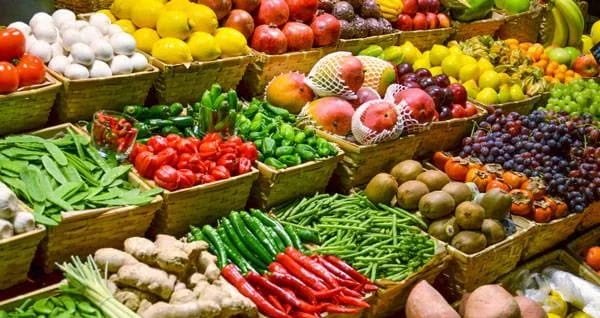
Advantages of a Vegetable Business
1. High and Regular Demand
One of the biggest advantages of a vegetable business is the continuous demand for fresh vegetables.
Vegetables are required by:
- Households
- Restaurants
- Hotels
- Food processing companies
- Catering businesses
Daily consumption creates regular selling opportunities.
2. Essential Food Product
Vegetables are an important part of daily nutrition.
Benefits include:
- Regular customer demand
- Wide market reach
- Stable consumption patterns
- Long-term business opportunities
Essential products usually provide consistent market potential.
3. Low Entry Barrier
A vegetable business can be started with limited investment.
Small entrepreneurs can begin with:
- Local vegetable stalls
- Small inventory
- Direct customer sales
- Home delivery services
Low entry requirements make it suitable for beginners.
4. Multiple Business Opportunities
The vegetable industry offers different business models.
Entrepreneurs can work in:
- Vegetable farming
- Retail shops
- Wholesale markets
- Organic vegetable supply
- Online delivery services
- Restaurant supply
Different options provide flexibility.
5. Growing Health Awareness
Increasing health awareness has improved demand for fresh vegetables.
Customers are showing interest in:
- Organic vegetables
- Fresh produce
- Chemical-free farming
- Healthy food choices
This creates opportunities for specialized businesses.
6. Quick Cash Flow
Vegetable businesses often generate faster cash flow compared to some other businesses.
Benefits include:
- Daily sales
- Regular customer payments
- Quick inventory turnover
Fast transactions help maintain business liquidity.
7. Local Market Opportunities
Vegetable businesses can perform well in local communities.
Suitable customers include:
- Nearby households
- Restaurants
- Grocery stores
- Local markets
Strong local relationships can support business growth.
8. Opportunity for Online Expansion
Digital platforms have created new opportunities for vegetable sellers.
Businesses can offer:
- Online ordering
- Home delivery
- Subscription vegetable boxes
- Digital marketing
Online services can increase customer reach.
Disadvantages of a Vegetable Business
1. High Risk of Product Spoilage
One major challenge of a vegetable business is the possibility of wastage.
Vegetables can spoil because of:
- Improper storage
- Temperature changes
- Delayed sales
- Transportation issues
Spoilage can reduce profits.
2. Price Fluctuation Problems
Vegetable prices change frequently.
Price changes occur due to:
- Weather conditions
- Supply availability
- Seasonal production
- Market demand
Unstable prices can affect income.
3. Seasonal Dependency
Vegetable availability depends on seasons.
Challenges include:
- Limited supply of certain vegetables
- Production changes
- Weather impacts
- Seasonal price variations
Proper planning is required.
4. Requires Daily Management
Vegetable businesses require regular attention.
Daily activities include:
- Purchasing stock
- Quality checking
- Arranging products
- Managing customers
- Handling deliveries
The business requires active involvement.
5. Transportation and Storage Challenges
Fresh vegetables need proper handling.
Businesses must manage:
- Transportation costs
- Storage conditions
- Freshness maintenance
- Delivery timing
Poor management can increase losses.
6. Strong Competition
The vegetable market has high competition.
Businesses compete with:
- Local vendors
- Supermarkets
- Online grocery platforms
- Wholesale suppliers
Better quality and service are needed to attract customers.
7. Limited Shelf Life
Most vegetables have a short shelf life.
Challenges include:
- Unsold inventory
- Daily wastage
- Storage expenses
- Frequent purchasing requirements
Efficient stock management is essential.
8. Weather and Farming Risks
Vegetable supply can be affected by environmental conditions.
Risks include:
- Heavy rainfall
- Drought
- Crop diseases
- Temperature changes
These factors can impact availability and prices.
Tips for Building a Successful Vegetable Business
A successful vegetable business requires proper planning, quality management, and customer focus. Consider these strategies:
- Choose a suitable location.
- Source vegetables from reliable suppliers.
- Maintain freshness and quality.
- Understand customer preferences.
- Reduce wastage through proper planning.
- Offer home delivery services.
- Build relationships with restaurants and hotels.
- Use digital marketing.
- Provide competitive pricing.
- Maintain clean storage areas.
- Offer organic and premium options.
- Track market trends.
Is a Vegetable Business Profitable?
Yes, a vegetable business can be profitable because vegetables are essential food products with continuous demand. Entrepreneurs can earn income through retail sales, wholesale supply, farming, online delivery, and restaurant partnerships.
Profitability depends on location, product quality, supplier relationships, pricing strategy, customer base, wastage control, and business management. Businesses that maintain freshness and provide reliable service can achieve sustainable growth.
Conclusion
The vegetable business remains a promising opportunity in the agriculture and food sector in 2026. Growing population, health awareness, daily food requirements, and demand for fresh produce continue to support market growth.
Although entrepreneurs must manage challenges such as product spoilage, price fluctuations, seasonal dependency, transportation issues, competition, limited shelf life, and weather risks, the business provides several advantages, including regular demand, low entry barriers, multiple business models, quick cash flow, local market opportunities, and online expansion possibilities.
Entrepreneurs who focus on product quality, efficient supply management, customer satisfaction, and reducing wastage can build a successful and profitable vegetable business.
FAQs
Q: What are the main advantages of a vegetable business?
A: The main advantages include high demand, essential product value, low startup requirements, multiple business opportunities, health trend benefits, quick cash flow, local market potential, and online growth opportunities.
Q: What are the disadvantages of a vegetable business?
A: Common disadvantages include spoilage risks, price fluctuations, seasonal dependency, daily management requirements, transportation challenges, competition, short shelf life, and weather-related risks.
Q: Is a vegetable business profitable in 2026?
A: Yes, a vegetable business can be profitable because fresh vegetables have continuous demand. Profitability depends on location, quality, pricing, supply management, and customer relationships.
Q: What types of vegetable businesses can be started?
A: Entrepreneurs can start vegetable farming, retail vegetable shops, wholesale trading, organic vegetable businesses, online vegetable delivery services, and restaurant supply businesses.
Q: How much investment is required to start a vegetable business?
A: Investment depends on the business model. A small vegetable stall requires less capital, while farming, wholesale operations, storage facilities, and delivery services require higher investment.
Q: How can a vegetable business reduce losses?
A: Businesses can reduce losses through proper inventory planning, efficient storage, quick sales, quality checking, customer demand analysis, and better transportation management.
Q: What skills are required to run a successful vegetable business?
A: Important skills include inventory management, supplier coordination, customer service, market analysis, pricing management, quality control, and business planning.