You apply for a loan, wait two days, and get a polite rejection. Nobody tells you much about why. Then you check your CIBIL score and see 500.
It stings. But it isn’t the end of the road, and I want to be straight with you about what’s possible and what’s a bad idea.
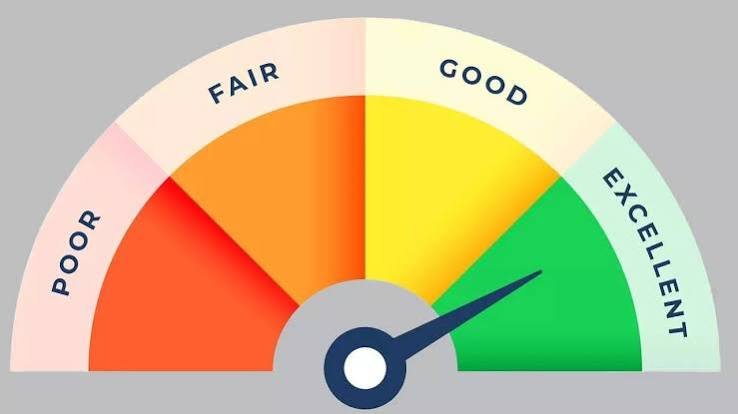
What a 500 score actually tells lenders
CIBIL scores run from 300 to 900. Most banks want to see 700 or above, and 750 gets you the good interest rates. At 500, a lender sees someone who has missed EMIs, maxed out credit cards, or settled loans for less than what was owed. Sometimes it’s just a thin history with a few bad marks.
So the bank isn’t saying you’re a bad person. It’s saying the risk looks high. Your job is to lower that risk in their eyes, or find lenders who price it in.
Option 1: Put something up as security
If you’re exploring a 500 cibil score loan, a secured loan is the easiest route by far. When you give the lender something to hold, your score matters a lot less.
- Gold loan. Probably the fastest. You pledge jewellery, they lend against its value, and many lenders barely look at your CIBIL. Interest rates are reasonable compared to other options.
- Loan against FD. If you have a fixed deposit, the bank will lend you up to around 90% of it. Your FD keeps earning interest while you repay.
- Loan against property. Bigger amounts, longer tenure. It takes more paperwork and time, and you risk the property if you stop paying, so think hard before this one.
- Loan against insurance policy, mutual funds or shares. Also possible, and people forget about these.
If you can use one of these, do. A secured loan repaid on time is also one of the best ways to push your score back up.
Option 2: Bring in a co-applicant
If your spouse, parent or sibling has a clean credit record and a steady income, ask them to apply with you. The lender looks at their profile too. It can change the outcome completely.
A word of caution though. If you miss payments, their score takes the hit as well. Only do this with someone who understands that, and only if you’re sure about the repayments.
Option 3: NBFCs and fintech lenders
Banks are strict. Many NBFCs and digital lenders are more flexible, and some look at your salary, bank statements and spending pattern instead of just the score. Small personal loans of ₹10,000 to ₹50,000 are often approved this way even at 500.
The catch is the price. Expect higher interest, maybe 24% to 36% a year, plus processing fees. Read the fine print about charges before you tap “accept.” And a smaller loan is usually easier to get than a large one, so ask for what you need, not what you might want.
A secured credit card (opened against an FD) is also worth knowing about. It’s not a loan, but it lets you rebuild a record without much risk to the bank.
Option 4: Family, friends, employer
Not glamorous, but it works. Some employers offer salary advances or loans to staff, often at little or no interest. Family can help too, and it keeps the whole thing off your credit report. Put it in writing anyway. Money gets awkward fast between people who love each other.
What to stay away from
This is the part I’d underline.
When your score is low, you become a target. Apps and agents will promise “100% approval, no CIBIL check.” Be careful.
- Anyone asking for money upfront. Genuine lenders deduct fees from the loan amount or show them clearly in the agreement. If someone wants a “processing fee” paid before anything is sanctioned, walk away.
- Unregistered apps. Check that the lender is a bank or an RBI-registered NBFC. Some illegal loan apps have harassed borrowers by calling their contacts. It’s ugly.
- Applying everywhere at once. Every application triggers a hard enquiry on your report, and a pile of them drops your score further. Choose two or three lenders carefully rather than spraying applications.
- Borrowing to repay another loan unless there’s a real plan. Debt stacked on debt at 30% interest gets out of hand quickly.
While you’re at it, start fixing the score
A loan today solves today’s problem. Fixing the score solves the next ten.
Get your report first. You can download one free CIBIL report every year. Read it line by line. Mistakes are common, like a closed loan still showing as active or a payment marked late that wasn’t. You can raise a dispute with CIBIL and the lender, and they’re supposed to resolve it within 30 days.
Pay everything on time. Payment history is the biggest piece of the score. Set auto-debit so you can’t forget.
Keep credit card use low. Try to stay below 30% of your limit. Using 90% of it every month tells lenders you’re stretched.
Clear overdue amounts. If you have any account marked “written off” or “settled,” talk to the lender about closing it fully and getting the status updated. It takes a while, but it matters.
Be patient. Scores don’t jump overnight. With steady habits, most people can move from 500 to the 650 to 700 range in about 12 to 18 months. Not instant, but real.
So, can you get a loan at 500?
Yes. A gold loan or FD-backed loan is your best bet, a co-applicant helps, and small NBFC loans are there if you can handle the interest. Just don’t let desperation pick the lender for you.
Take the loan you can actually repay, repay it on time, and your next bank conversation will sound very different.