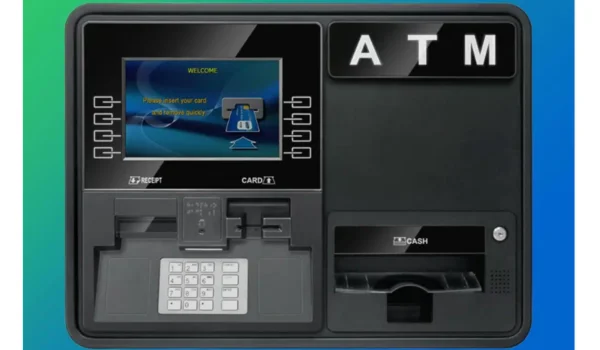
Cash continues to play an important role in many industries despite the rapid growth of digital payment methods. Businesses that regularly serve customers who prefer cash often benefit from providing convenient access to cash withdrawal services. Whether it is a convenience store, restaurant, entertainment venue, or service center, installing an ATM can improve customer convenience while supporting business operations. If you are planning to buy an ATM machine, understanding the key factors involved will help you make an informed decision.
An ATM is much more than a cash dispensing device. Modern machines support multiple financial transactions, offer advanced security features, and can operate reliably in various commercial environments. Selecting the right machine requires evaluating business needs, customer traffic, installation requirements, and long-term maintenance considerations. Industry experts also note that retail ATMs continue to play a significant role by improving customer convenience and supporting cash access in commercial locations.
Why Businesses Install ATM Machines
Many businesses choose to install ATMs because they improve customer accessibility to cash. Customers who have immediate access to cash are less likely to leave the premises in search of another ATM, helping businesses retain foot traffic.
Another reason organizations decide to buy ATM machine solutions is to provide an additional service that enhances customer satisfaction. In locations where cash payments remain common, an ATM can contribute to a smoother purchasing experience.
Retail environments, hospitality businesses, fuel stations, and entertainment venues are among the sectors where ATMs continue to be widely used due to consistent customer demand for convenient cash withdrawals.
Types of ATM Machines
Choosing the right ATM begins with understanding the available options.
Indoor ATM Machines
Indoor ATMs are designed for installation inside commercial establishments. They are commonly found in retail stores, shopping centers, hotels, restaurants, and office buildings. These machines typically require less weather protection and are suitable for businesses with indoor customer traffic.
Outdoor ATM Machines
Outdoor ATMs are built to withstand changing weather conditions and continuous public use. These machines feature stronger enclosures, enhanced security, and weather-resistant components.
Freestanding ATMs
Freestanding units are flexible and can be installed in various commercial locations. They are ideal for businesses that want easy accessibility without requiring major structural modifications.
Factors to Consider Before You Buy
Purchasing an ATM involves more than selecting a machine based on appearance. Several important factors should be evaluated before making a decision.
Security Features
Modern ATM machines include multiple security technologies designed to protect both customers and operators. Common features include encrypted communication, secure PIN entry devices, anti-tampering systems, and reinforced safes.
Security standards continue to evolve, making it important to choose machines that comply with current financial regulations and industry requirements.
Transaction Volume
The expected number of daily transactions plays a major role in selecting the right ATM. Businesses with higher customer traffic may require machines with larger cash capacity to reduce refill frequency.
Understanding customer demand helps determine the appropriate model and cash storage requirements.
Installation Space
Available floor space should also be considered. Some locations benefit from compact ATM models, while larger businesses may accommodate full-size commercial machines with additional features.
Proper placement improves visibility while maintaining customer privacy and accessibility.
Connectivity Requirements
Reliable communication is essential for ATM operation. Most machines require secure internet connectivity through broadband, wireless, or dedicated communication networks.
Stable connectivity ensures quick transaction processing and minimizes service interruptions.
Maintenance and Technical Support
Like any financial equipment, ATMs require regular maintenance to ensure reliable operation.
Routine servicing may include:
- Cash replenishment
- Software updates
- Hardware inspections
- Receipt paper replacement
- Cleaning internal components
Businesses planning to buy ATM machine equipment should understand the ongoing maintenance responsibilities before installation.
Proper servicing helps reduce downtime while maintaining customer confidence in the machine’s reliability.
Compliance and Regulations
ATM deployment must comply with banking regulations and payment network standards. Depending on the region, operators may need to meet specific licensing, accessibility, and security requirements.
For example, banking regulators define ATM operating standards, customer protections, and requirements for White Label ATMs that are operated by authorized non-bank entities.
Staying compliant helps ensure secure and legally operated ATM services.
Future Trends in ATM Technology
ATM technology continues to evolve with changing customer expectations.
Modern machines increasingly support:
- Contactless transactions
- Cardless cash withdrawals
- QR code authentication
- Enhanced biometric security
- Remote monitoring
- Improved software diagnostics
Many institutions are also adopting advanced cash recycling technology, which allows deposited cash to be reused for withdrawals, improving operational efficiency.
Businesses planning to buy ATM machine equipment may benefit from considering models that support future software and hardware upgrades.
Making an Informed Purchase Decision
Selecting an ATM should involve careful evaluation of business objectives, expected customer usage, available installation space, and operational requirements. Comparing features such as cash capacity, security systems, connectivity options, and maintenance needs helps identify the most suitable machine for long-term use.
Rather than focusing solely on purchase price, businesses should consider overall reliability, ease of servicing, compliance standards, and compatibility with future technology developments. A well-planned investment can support efficient operations while providing customers with convenient access to essential banking services.
Conclusion
Installing an ATM can improve convenience for customers while supporting businesses that continue to serve cash-paying consumers. Before deciding to buy an ATM machine, it is important to evaluate security, compliance, connectivity, maintenance requirements, and future scalability. For businesses exploring cash access solutions, understanding the role of an ATM for retail environment can help in making a practical and informed long-term decision. Taking a thoughtful approach ensures that the selected solution aligns with business needs and customer expectations.