Relocating corporate operations to Southeast Asia requires precise planning, particularly when it comes to housing senior leadership. Thailand has emerged as a premier destination for multinational companies, driven by robust infrastructure, strategic geographic positioning, and attractive government incentives. Once the overarching move is planned, understanding local housing trends, such as the rising demand for spacious 2-bedroom apartments popular in Bangkok is a critical logistical step. Securing appropriate living quarters early ensures a smooth transition for your top-tier talent and establishes a strong foundation for your newly established regional headquarters. Bangkok provides a unique blend of vibrant commercial energy and high-end residential comfort, making it highly appealing to global executives.
The Exclusivity of the Riverside Market
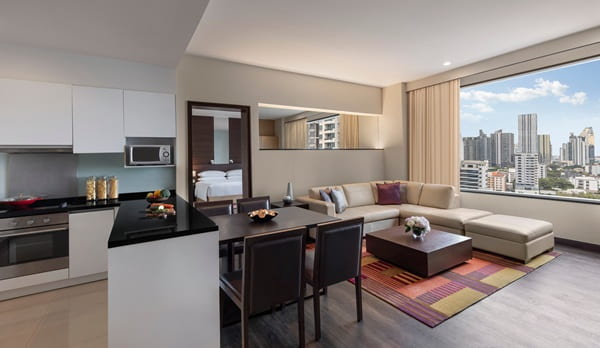
The Chao Phraya River corridor, historically known as the River of Kings, has solidified its reputation as the most prestigious residential address in the capital. This area provides a sanctuary-style living environment while remaining directly connected to the Sathorn and Silom central business districts. However, securing premium executive housing in these areas requires acting swiftly. The downtown luxury condominium market is highly competitive, currently experiencing a remarkable 93 per cent sales rate for existing supply and expected price increases of up to 15 per cent year-over-year, according to the 2026 market outlook by CBRE Thailand. This surge is largely driven by a renewed influx of foreign direct investment and expatriate relocations.
For C-suite professionals, properties must meet stringent security, amenity, and lifestyle requirements. An excellent example of the calibre of luxury, riverfront real estate that fulfils these high standards is The River Bangkok. Developments of this tier are highly sought after by corporate renters who prioritise modern residential ecosystems integrated with five-star hospitality services, dedicated wellness centres, and immediate mass-transit access. Living in such a prestigious environment allows executives to seamlessly blend demanding corporate schedules with unparalleled relaxation and leisure opportunities.
Key Features Driving Executive Property Demand
Executive property demand in 2026 is defined by a distinct flight to quality. Affluent buyers and expatriates are actively seeking ultra-large floor plans, with a specific surge in requests for units ranging from 300 to over 1,000 square metres to accommodate multi-generational living and dedicated home offices. When shortlisting properties for corporate leadership, several critical features should be prioritised to ensure long-term satisfaction:
- Enhanced Connectivity: Proximity to new infrastructure upgrades, such as the Gold Line automated people mover and widespread private river shuttle services, ensures seamless transit to high-end retail hubs and the BTS Skytrain network.
- Premium Amenities: Modern residential developments must offer comprehensive concierge services, private lifts, state-of-the-art fitness facilities, and integrated smart-home technologies to meet the expectations of relocated professionals.
- Family-Centric Infrastructure: Top-tier executives often relocate with their families, meaning proximity to internationally accredited schools and world-class private healthcare facilities is just as important as office commutes.
- Investment Potential: Despite its premium status, the luxury real estate of the city remains highly cost-effective on a global scale. Prime central properties are priced at roughly one-quarter of the cost of comparable units in Singapore or Hong Kong.
- Visa Synergy: Thailand’s 10-year Long-Term Resident Visa programme offers substantial incentives for relocating executives, including a flat 17 per cent personal income tax rate. Qualifying under the Wealthy Global Citizen tier requires proof of at least $1 million USD in assets and a minimum $500,000 USD investment in Thai property or bonds, making luxury real estate an attractive dual-purpose acquisition.
Navigating Legal Frameworks and Ownership Structures
Understanding the local legal landscape is crucial when acquiring executive real estate in Thailand. Under the Thai Condominium Act B.E. 2522, foreign nationals are legally permitted to purchase and hold freehold condominium units in their own name. This right is subject to the condition that total foreign ownership does not exceed 49 per cent of the building’s total saleable floor area. Engaging experienced local legal counsel is highly recommended to perform comprehensive due diligence before signing any reservation agreements or sales contracts.
Because this foreign quota frequently reaches maximum capacity in prime luxury projects, the market for freehold executive condominiums is incredibly competitive and often commands a premium. To successfully register a freehold condo title deed (Chanote) in a foreigner’s name, the Thai government mandates that the purchase funds must be transferred from an overseas bank account into the country in a foreign currency. This transaction generates a required Foreign Exchange Transaction form, which serves as official proof of the inward remittance and is strictly required by the Land Department.
The Long-Term Strategic Value of Corporate Real Estate
By late 2025, Thailand’s Long-Term Resident Visa programme had injected hundreds of millions into the local economy, underscoring the massive influx of foreign capital and high-net-worth individuals. Global property consultancies note that the ultra-luxury residential sector is currently operating independently of the domestic mass market, functioning as a robust safe haven for foreign wealth preservation. For multinational companies planning a relocation, navigating these legal structures to secure prime residential assets is not just a housing necessity. It is a strategic imperative that supports executive retention, ensures lifestyle satisfaction, and underpins long-term corporate success in Southeast Asia.