Aluminium and UPVC are the two dominant materials in India’s modern fenestration market, and entrepreneurs evaluating a window manufacturing business are almost always weighing one against the other. Both have displaced traditional wood and steel windows over the past two decades, and both have loyal customer bases, established supply chains, and genuine profit potential. But the two businesses differ meaningfully in cost structure, target market, and margin profile. This article compares them across the factors that actually determine profitability, so you can make a more informed decision about which one — or whether both — makes sense for your business.
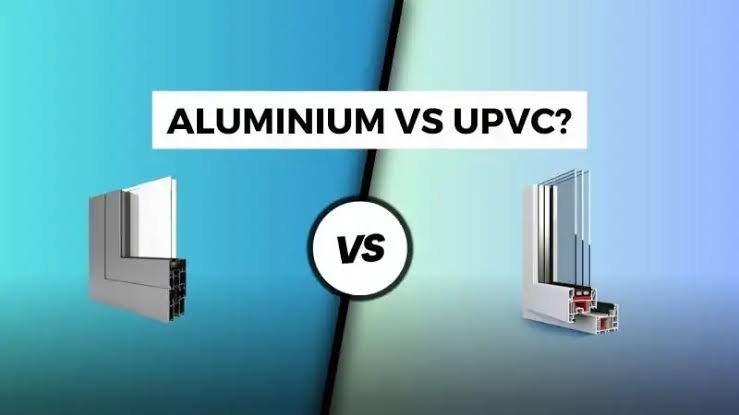
Understanding the Two Materials
Aluminium windows are fabricated from extruded aluminium profiles, prized for their strength-to-weight ratio, slim sightlines, and ability to support large glass panels — qualities that make them popular in premium residential projects, high-rise buildings, and commercial developments where architectural aesthetics matter. UPVC (unplasticised polyvinyl chloride) windows, by contrast, are moulded from a rigid plastic compound reinforced internally with steel or aluminium for strength, and are valued primarily for their thermal insulation, sound dampening, and lower cost — making them especially popular in the mass residential and budget-to-mid housing segment.
Cost and Margin Comparison
Below is a side-by-side comparison of the factors that most directly affect profitability for a manufacturing business in each category.
| Factor | Aluminium Windows | UPVC Windows |
| Raw Material Cost | Higher and more volatile (linked to global metal prices) | Lower and comparatively more stable |
| Manufacturing Setup Cost | Moderate; needs cutting, crimping, punching machinery | Moderate to moderately-high; needs welding and profile machinery |
| Typical Profit Margin | 15–25%, higher in premium/system segment | 20–30%, strong in mass residential segment |
| Target Market | Premium residential, commercial, high-rise projects | Mass residential, budget to mid-range housing |
| Product Lifespan | Very long; excellent corrosion resistance | Long; can degrade faster under extreme heat/UV over decades |
| Design Flexibility | High; slim frames, large glass panels, custom finishes | Moderate; bulkier frames, fewer premium finish options |
| Thermal Insulation | Lower unless thermally broken profiles used | Naturally better insulation, popular in colder climates |
| Repeat/Bulk Order Potential | Strong with builders and commercial developers | Very strong in large residential and township projects |
| Brand Competition | Fragmented; room for premium differentiation | More organised branded players; harder to differentiate on price |
Raw Material Costs and Volatility
Aluminium is a globally traded commodity metal, and its price is influenced by international demand, energy costs (since smelting is energy-intensive), and currency fluctuations. This makes aluminium input costs relatively volatile, which can compress margins on fixed-price contracts if prices spike after you have already quoted a job. UPVC, derived from petrochemical feedstock, also fluctuates with crude oil prices but has generally shown more price stability in the Indian market over the past several years, giving UPVC manufacturers somewhat more predictable cost planning.
Manufacturing Complexity and Setup Costs
Aluminium fabrication involves cutting, corner crimping or notching, and hardware punching — processes that are mechanically straightforward but require precision to avoid air and water leakage issues. UPVC fabrication involves welding profiles at corners (a process that requires careful temperature and pressure control) and reinforcing with internal steel, which adds a layer of technical complexity. Both require moderate capital investment for a small-to-mid-scale unit, though UPVC welding machinery tends to sit at a slightly higher price point than basic aluminium cutting and crimping equipment for comparable capacity.
Profit Margins: Where the Real Difference Lies
In practice, UPVC manufacturers often report slightly higher margins in the mass residential segment, largely because UPVC has built strong brand trust around energy efficiency and noise reduction, allowing manufacturers to sell on value rather than compete purely on price. Aluminium, on the other hand, tends to perform better in the premium segment — where architects and developers are willing to pay for slim, large-format glazing and custom finishes — giving well-positioned aluminium fabricators access to higher-ticket, higher-margin projects, even if their average margin percentage is comparable to or slightly lower than UPVC in the mass market.
Market Positioning Matters More Than Material
The more important question for profitability is often not ‘aluminium or UPVC’ but ‘which segment am I targeting.’ A basic aluminium fabricator competing purely on price in a crowded local market will likely see thinner margins than a UPVC manufacturer who has built a strong brand around thermal performance. Conversely, an aluminium manufacturer who invests in system windows, premium finishes, and architect relationships can access commercial and high-rise projects that a budget UPVC player simply cannot reach. In other words, differentiation and target market selection tend to matter more for your bottom line than the raw material choice itself.
Regional and Climate Considerations
Profitability is also shaped by regional demand patterns. UPVC’s superior thermal and acoustic insulation makes it especially popular in northern India’s colder climates and in noise-sensitive urban markets, while aluminium’s corrosion resistance and slim profiles make it a strong performer in coastal cities and premium urban developments across the country. Manufacturers who understand their regional market’s climate-driven preferences can position their product mix — and pricing — more effectively than those applying a one-size-fits-all approach.
Which Should You Choose?
If your goal is to enter the high-volume, budget-to-mid residential market with a product that sells itself on energy efficiency and noise reduction, UPVC manufacturing offers a more predictable cost structure and strong brand-driven margins. If your goal is to serve premium residential, commercial, and architecturally ambitious projects — where design flexibility and large glazing command a price premium — aluminium manufacturing, particularly with system-window capability, offers a path to higher-ticket, higher-margin business, provided you can manage raw material price volatility. Many established players in India’s fenestration industry ultimately manufacture both, hedging their business against segment-specific demand swings and giving their sales teams the flexibility to serve a wider range of customers under one roof.
Conclusion
Neither aluminium nor UPVC is definitively ‘more profitable’ in isolation — profitability depends heavily on your target market, your ability to differentiate through quality and design, and how well you manage input cost volatility. What the data does suggest is that UPVC tends to reward manufacturers who compete on brand and value in the mass market, while aluminium tends to reward manufacturers who invest in premium positioning and architectural relationships. The most successful businesses in this space are the ones that match their material choice deliberately to their target customer, rather than picking a material first and searching for a market afterward.