The namkeen business is a popular opportunity in the food processing and snack industry. Increasing demand for traditional snacks, ready-to-eat food products, and affordable snack options has created strong opportunities for entrepreneurs who want to enter the food manufacturing sector.
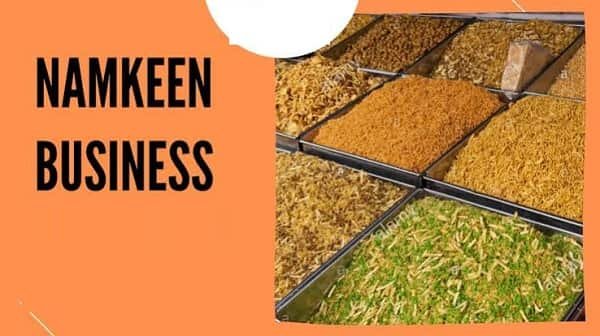
A namkeen business involves preparing, processing, packaging, and selling different types of savory snacks. These products may include mixtures, bhujia, sev, peanuts, chips, spicy snacks, roasted items, and regional specialty namkeens. Entrepreneurs can operate this business through small home-based production units, retail shops, wholesale supply, or large-scale manufacturing facilities.
In 2026, the snack food market continues to grow because customers prefer convenient food options for daily consumption, celebrations, travel, and social gatherings. Namkeen products have strong demand because they are affordable, easy to store, and available in a wide variety of flavors.
A namkeen business can serve different customer segments, including households, grocery stores, supermarkets, restaurants, offices, and event organizers. Entrepreneurs can also develop premium, healthy, organic, or regional namkeen products to attract specific customer groups.
However, starting a namkeen business requires proper planning, food quality management, packaging skills, marketing strategies, and knowledge of customer preferences. Entrepreneurs should understand both the advantages and disadvantages before investing in this business.
Understanding the benefits and challenges of a namkeen business helps entrepreneurs create effective strategies and build a profitable food venture.
Advantages of a Namkeen Business
1. High Market Demand
One of the biggest advantages of a namkeen business is the consistent demand for snack products.
Namkeen is consumed during:
- Daily meals
- Festivals
- Family gatherings
- Travel
- Social events
- Office breaks
Regular consumption creates continuous market opportunities.
2. Wide Customer Base
Namkeen products are popular among customers of different age groups and backgrounds.
Potential customers include:
- Families
- Students
- Working professionals
- Retail shoppers
- Businesses
- Event organizers
A broad customer base supports business growth.
3. Moderate Startup Investment
A namkeen business can be started with different investment levels.
Small entrepreneurs can begin with:
- Home-based production
- Small processing units
- Local retail sales
Larger businesses can invest in automated manufacturing and distribution networks.
4. Multiple Product Opportunities
The namkeen industry offers many product options.
Businesses can produce:
- Bhujia
- Sev
- Mixtures
- Spicy snacks
- Roasted snacks
- Peanut-based products
- Regional specialty namkeens
Product variety helps attract different customers.
5. Good Profit Margin Potential
Namkeen products can provide attractive profit opportunities through:
- Direct customer sales
- Wholesale supply
- Premium packaging
- Specialty products
- Bulk orders
Efficient production management can improve profitability.
6. Easy Distribution Opportunities
Namkeen products can be distributed through multiple channels.
Businesses can sell through:
- Grocery stores
- Supermarkets
- Online marketplaces
- Local shops
- Food delivery platforms
- Direct customer orders
Multiple distribution options increase sales opportunities.
7. Long Shelf Life
Many namkeen products have a relatively longer shelf life compared to fresh food items.
Benefits include:
- Easier storage
- Reduced wastage
- Wider market reach
- Convenient transportation
Proper packaging improves product durability.
8. Opportunity for Brand Development
Entrepreneurs can build strong food brands through:
- Unique flavors
- Quality ingredients
- Attractive packaging
- Regional specialties
- Customer trust
A strong brand can create long-term business value.
Disadvantages of a Namkeen Business
1. High Competition
The snack industry has intense competition from:
- Established food brands
- Local manufacturers
- Homemade sellers
- Supermarket brands
Businesses need unique products and effective marketing to compete.
2. Quality Control Challenges
Maintaining consistent food quality is essential.
Businesses must monitor:
- Ingredient quality
- Taste consistency
- Hygiene standards
- Production processes
- Packaging quality
Poor quality can negatively affect customer trust.
3. Raw Material Price Fluctuations
Namkeen production depends on various ingredients.
Costs may increase due to changes in:
- Oil prices
- Flour costs
- Spices
- Packaging materials
- Other ingredients
Rising costs can reduce profit margins.
4. Requires Food Safety Compliance
Food businesses must follow safety requirements.
Important areas include:
- Hygiene practices
- Food licenses
- Quality testing
- Proper labeling
- Storage standards
Compliance requires proper management.
5. Marketing Challenges
New namkeen businesses need strong promotion strategies.
Marketing may require:
- Product branding
- Social media campaigns
- Advertising
- Customer sampling
- Retail partnerships
Marketing expenses can affect initial profits.
6. Changing Consumer Preferences
Customer preferences are changing toward healthier snacks.
Businesses may need to develop:
- Low-oil products
- Healthy snack options
- Organic varieties
- Roasted alternatives
Adapting to trends is important.
7. Storage and Packaging Requirements
Proper storage is necessary to maintain freshness.
Challenges include:
- Moisture control
- Packaging costs
- Storage space
- Product protection
Poor packaging can reduce product quality.
8. Distribution Management Issues
Expanding distribution networks can be challenging.
Businesses may face:
- Delivery costs
- Retail competition
- Inventory management problems
- Unsold stock
Efficient supply chain management is required.
Tips for Building a Successful Namkeen Business
A successful namkeen business depends on product quality, customer satisfaction, and effective marketing. Consider these strategies:
- Research local snack preferences.
- Use high-quality ingredients.
- Maintain strict hygiene standards.
- Develop unique flavors.
- Create attractive packaging.
- Follow food safety regulations.
- Build retailer partnerships.
- Promote products online.
- Offer different product sizes.
- Introduce healthy snack options.
- Manage inventory properly.
- Collect customer feedback.
Is a Namkeen Business Profitable?
Yes, a namkeen business can be profitable because snacks have consistent demand among consumers. Entrepreneurs can generate income through retail sales, wholesale distribution, online orders, and customized snack products.
Profitability depends on product quality, pricing strategy, production efficiency, packaging, marketing, and customer reach. Businesses that create unique flavors and maintain reliable quality can achieve sustainable growth.
Conclusion
The namkeen business remains a promising opportunity in the food processing industry in 2026. Growing demand for convenient snacks, traditional food preferences, affordable pricing, and multiple selling opportunities continue to support market growth.
Although entrepreneurs must manage challenges such as competition, quality control, raw material price changes, food safety requirements, marketing costs, changing customer preferences, packaging needs, and distribution issues, the business provides several advantages, including high demand, a large customer base, flexible investment options, product variety, profit potential, easy distribution, long shelf life, and brand-building opportunities.
Entrepreneurs who focus on quality products, innovative flavors, effective marketing, and customer satisfaction can build a successful and profitable namkeen business.
FAQs
Q: What are the main advantages of a namkeen business?
A: The main advantages include high market demand, a wide customer base, flexible startup options, multiple product opportunities, profit potential, easy distribution, longer shelf life, and brand development opportunities.
Q: What are the disadvantages of a namkeen business?
A: Common disadvantages include strong competition, quality control challenges, raw material price fluctuations, food safety requirements, marketing difficulties, changing consumer preferences, packaging costs, and distribution challenges.
Q: Is a namkeen business profitable in 2026?
A: Yes, it can be profitable because snack products have regular demand. Profitability depends on product quality, pricing, production costs, marketing, and customer reach.
Q: What products can be sold in a namkeen business?
A: Common products include bhujia, sev, mixtures, spicy snacks, roasted snacks, peanuts, chips, regional specialties, and customized snack collections.
Q: How much investment is required to start a namkeen business?
A: Investment depends on business size. Major expenses include raw materials, cooking equipment, packaging machines, licenses, storage facilities, marketing, and working capital.
Q: How can a namkeen business attract customers?
A: Businesses can attract customers through unique flavors, attractive packaging, online promotion, retailer partnerships, product sampling, competitive pricing, and consistent quality.
Q: What skills are required to run a successful namkeen business?
A: Important skills include food production knowledge, quality control, recipe development, marketing, financial management, packaging management, customer service, and business planning.