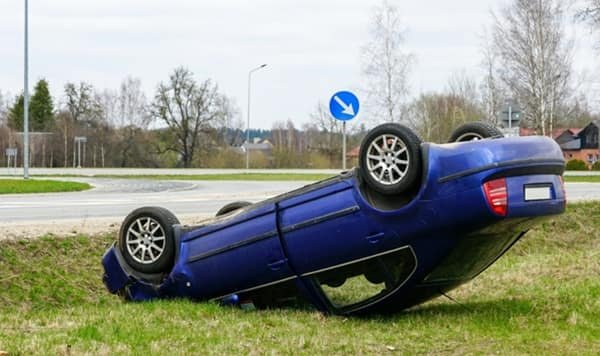
A rollover accident leaves behind more than damaged metal and scattered debris. It leaves a trail of facts that must fit together correctly. One missing photograph, one overlooked witness, or one forgotten note can quietly change how the entire accident is understood. What appears to be a complete story at first can suddenly feel incomplete once a gap is discovered.
People searching for information about legal representation for rollover crashes often focus on major evidence, yet small, missing details frequently create the biggest questions. A rollover claim depends on accuracy from beginning to end, and every piece of information has a place in that larger picture.
Why Rollover Accident Claims Depend on Complete Information
Rollover accidents are often more complicated than other types of crashes because several factors may contribute to the event. Investigators, insurance companies, and other parties usually review many different sources of information before reaching conclusions.
Accident reports help establish the basic facts. Vehicle damage may reveal how the rollover occurred. Witness observations can provide details that are not visible in photographs. Evidence from the scene can help explain road conditions and vehicle movement before the crash.
Each piece of information contributes something valuable. A claim becomes easier to understand when all available facts work together. If information is missing, important questions may remain unanswered, making the overall picture less clear and more difficult to evaluate accurately.
The Types of Details That Are Commonly Missed
Some details seem minor immediately after a rollover accident. People naturally focus on injuries, emergency response, and vehicle damage. During that process, smaller facts can be overlooked.
The exact position of a vehicle after the rollover may provide important information. Road surface conditions can reveal contributing factors. Tire condition may help explain vehicle behavior before the crash. Weather conditions can affect visibility and road traction. Even the precise timing of events may become significant later.
None of these details seems dramatic on their own. Yet together they help explain how the accident unfolded. What appears insignificant at first may become one of the most important facts in the entire claim once investigators begin reviewing the available evidence carefully.
How Missing Information Creates Gaps in the Story
Every accident claim relies on a timeline. Investigators attempt to understand what happened before, during, and after the rollover. Missing information can interrupt that timeline and create uncertainty.
A missing witness statement may leave questions about vehicle movement. An unavailable photograph may remove visual context. Incomplete records may make it harder to determine how conditions changed throughout the event. These gaps can affect how evidence is interpreted.
Similar challenges appear in accident law, where investigators often depend on detailed timelines and complete documentation to understand complicated crashes. The same principle applies to rollover claims. A single missing detail does not automatically change the outcome, but it can make certain parts of the story harder to verify.
Why Evidence Works Best When Every Detail Connects
Strong evidence is not simply a collection of documents and photographs. Its value comes from how well each piece supports the others. The strongest claims usually show consistency across multiple sources.
Photographs may support witness observations. Vehicle inspections may confirm information found in official reports. Medical records may align with the documented sequence of events. These connections help create a reliable narrative.
Problems often arise when one piece is missing. The remaining evidence may still exist, but the connection between different sources becomes weaker. Questions may develop about timing, circumstances, or contributing factors.
Details That Should Never Be Overlooked After a Rollover Accident
Certain details often become valuable long after the accident has occurred:
- Scene photographs from different angles.
- Records showing vehicle condition.
- Documentation of weather and road conditions.
- Contact information for witnesses.
- Medical records and treatment documentation.
These items help preserve information that may become difficult to recover later. Even if they seem unimportant at the time, they often provide context that supports the overall understanding of the accident.
Closing View
A rollover accident claim is often shaped by details that many people never think about. Large pieces of evidence matter, but small facts frequently help explain how everything fits together. Missing information can create gaps that make an otherwise clear story harder to understand.
The difference between a strong claim and an unclear one is often found in the details that remain available after the accident. For people seeking legal representation for rollover crashes, understanding the value of complete information highlights why every fact, no matter how small, deserves careful attention throughout the claim process.