Aluminium window fabrication is one of the more accessible manufacturing businesses to enter in India today, thanks to steady construction demand, moderate capital requirements, and a straightforward production process once you have the right equipment and skills in place. That said, ‘accessible’ does not mean ‘simple’ — success depends on getting the fundamentals right from day one: understanding the market, sourcing the right equipment, hiring skilled labour, and building relationships with builders and architects who will become your recurring customers. Here is a practical, step-by-step guide to starting this business.
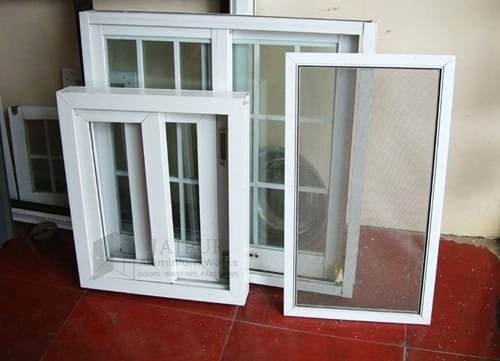
1. Understand the Market and Choose Your Positioning
Before investing a rupee in equipment, spend time understanding your local market. Are you targeting individual homeowners renovating flats, or builders and developers ordering windows in bulk for new projects? Are you competing on price as a basic fabricator, or positioning yourself in the premium segment with system windows, better finishes, and design consultation? Your answer to these questions shapes everything downstream — the equipment you buy, the suppliers you approach, and the customers you pursue. Many successful fabricators start with builder and contractor relationships, since these provide more predictable, higher-volume orders than retail customers.
2. Create a Business Plan and Estimate Costs
A clear business plan should cover your target market, expected order volumes, pricing strategy, equipment and setup costs, working capital needs, and a realistic break-even timeline. At a basic level, a small fabrication unit can be started with a modest investment covering machinery, initial raw material stock, workspace rent or purchase, and working capital to cover the first few months of operations before revenue stabilises. Larger, more automated setups with higher-end system window capability require significantly more capital but can command better margins and access to bigger commercial projects.
3. Register Your Business and Complete Legal Formalities
Choose an appropriate business structure — sole proprietorship, partnership, LLP, or private limited company — based on your scale and growth plans. You will typically need GST registration, a trade license from your local municipal authority, MSME (Udyam) registration to access government schemes and easier financing, and any state-specific factory or pollution-control clearances if your unit involves cutting, welding, or powder-coating processes. Consulting a local chartered accountant or business consultant early on can save significant time navigating these requirements correctly.
4. Secure a Suitable Workspace
You need a workspace large enough to accommodate cutting and fabrication machinery, raw material storage, and finished-goods staging, with easy vehicle access for both incoming aluminium profiles and outgoing window deliveries. Industrial sheds on the outskirts of cities are common choices, as they offer lower rent than central locations while still being accessible to builders and project sites. Ensure the space has adequate power supply, since fabrication equipment can draw significant electrical load.
5. Invest in the Right Machinery and Tools
Core equipment for aluminium window fabrication typically includes a cutting saw for precise profile cuts, a corner crimping or notching machine for joining frame corners, a punching machine for hardware fitting points, and basic hand tools for assembly. As your business grows, you can invest in more automated CNC cutting and machining centres that improve precision and throughput. Many new entrants start with semi-automatic machinery to keep initial costs manageable, upgrading to full automation once order volumes justify the investment.
- Cutting saw (double-head or single-head) for profile cutting
- Corner crimping / notching machine for frame joints
- Punching machine for hardware and hinge points
- Copy router for hardware groove cutting
- Glazing and gasket fitting tools
- Basic quality-testing equipment (for air, water, and structural checks if targeting commercial projects)
6. Source Reliable Raw Material Suppliers
Establish relationships with reputable aluminium profile suppliers or extruders, since profile quality directly determines your finished product’s performance and durability. Compare suppliers on alloy quality, finishing options (powder coating or anodising), consistency of supply, and pricing terms. Building a relationship with two or three reliable suppliers, rather than depending on just one, protects you against supply disruptions and gives you negotiating leverage on pricing.
7. Hire and Train Skilled Fabricators
Precision matters enormously in window fabrication — small errors in cutting or corner joining lead to air and water leakage, misaligned sliding tracks, and unhappy customers. Hire fabricators with prior experience where possible, and invest in training for less experienced hires. A small, well-trained team that produces consistently high-quality work will serve your business far better in the long run than a larger team churning out inconsistent output.
8. Set Up Quality Control Processes
Establish clear quality checkpoints at each stage of production — after cutting, after assembly, and before delivery — to catch defects early rather than after installation. For manufacturers targeting commercial or larger residential projects, investing in basic testing for air infiltration, water penetration, and structural performance can differentiate you from competitors and open doors to bigger, more demanding clients like architects and developers.
9. Build Relationships with Builders, Architects, and Contractors
Your most valuable customers will often be recurring ones — builders and contractors who order windows for multiple projects over time. Invest time in building relationships with local architects, builders, and interior designers, since they frequently recommend or specify manufacturers to their clients. Attending local trade exhibitions, maintaining a simple portfolio of completed projects, and offering reliable turnaround times all help build the kind of reputation that generates repeat and referral business.
10. Price Competitively While Protecting Margins
Research prevailing market rates in your area and price your products competitively without racing to the bottom. Factor in raw material costs (accounting for price volatility), labour, overheads, and a reasonable margin. Many new fabricators underprice their early work to win customers, which can make the business unsustainable once raw material prices rise. Building pricing flexibility into your contracts, especially for larger orders with long delivery timelines, helps protect your margins against aluminium price fluctuations.
Final Thoughts
Starting an aluminium window fabrication business is a realistic, moderately capital-intensive opportunity for entrepreneurs willing to invest in the right equipment, skilled labour, and customer relationships. Success in this business comes less from any single decision and more from consistent execution — reliable quality, dependable delivery timelines, and pricing discipline — sustained over the months and years it takes to build a strong reputation with builders, architects, and homeowners in your market.