When you work with metal, you already know that the final finish matters as much as the cut or weld. That is where flap discs become a reliable tool. They are designed for right-angle grinders and can handle a wide range of jobs, from removing heavy material to blending and finishing welds. Unlike a rigid grinding wheel, a flap disc has overlapping abrasive flaps. As the top layer wears out, fresh abrasive is exposed, so the disc keeps working with steady performance.
In many workshops, a cutting wheel is used first to cut metal, and then flap discs are used to grind, shape, deburr and finish the surface. When used correctly, flap discs help you save time by allowing you to move from grinding to finishing with fewer tool changes.
Let’s learn more about flap discs and their usage in detail.
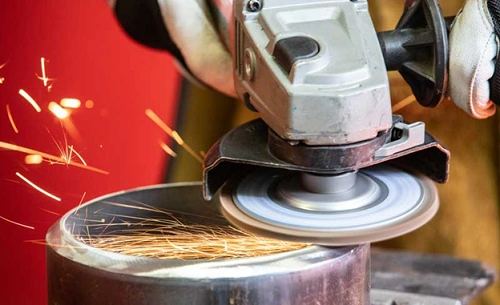
What are Flap Discs?
Flap discs are abrasive discs made from multiple coated abrasive strips, arranged in an overlapping pattern around a backing plate. These flaps sit on a stable base like fibreglass, plastic, or a metal core. The disc rotates on a right-angle grinder and removes material through controlled abrasion. Since the flaps are more flexible than a grinding wheel, you get better control and a lower risk of gouging the surface.
A typical flap disc can help with:
- Blending a weld
- Removing rust and paint
- Deflashing sharp edges
- Smoothing and shaping metal surfaces
- Finishing and refining a surface before coating
Why Use Flap Discs Instead of a Grinding Wheel?
A grinding wheel is aggressive but can feel harsh, especially for beginners. Flap discs provide a more controlled cut and a smoother finish. They can grind and finish in one step, depending on the grit you choose. This makes them a common choice for metal fabrication and repair work.
Key benefits include:
- Better control and smoother handling
- Lower vibration and noise than many grinding wheels
- Reduced risk of removing too much metal
- Consistent results because new abrasive is exposed as the flaps wear
Flap Disc Shapes and When to Use Them
Two common shapes are used in most workshops:
Type 27 flat flap discs
These work best at shallow angles, usually 0 to 15 degrees. They are ideal for blending and finishing on flat surfaces and mild contours.
Type 29 conical flap discs
These are best at steeper angles, around 15 to 35 degrees. They provide more aggressive stock removal because they make stronger contact with the surface.
A simple way to choose is:
- Use Type 29 for faster grinding and heavy removal
- Use Type 27 for smoother finishing and blending
Backing Types and What They Mean
The backing plate affects stability and control. Common backing types include:
- Fibre glass backed: Strong and widely used for metal grinding
- Plastic-backed: Lighter, useful for controlled work
- Metal core backed: Rigid support for heavy-duty tasks
- Flexible plastic-backed: Better for fine finishing and more controlled pressure
For steel and general metal work, a stable backing helps keep the disc steady when pressure increases during grinding.
Choosing the Right Grit for Grinding, Deburring and Finishing
Grit size matters the most when you want the right balance between speed and surface quality. Lower numbers are rougher and remove more material. Higher numbers are finer and provide smoother results.
A practical guide:
- 36 to 40 grit: Heavy stock removal and shaping
- 40 to 60 grit: Weld grinding and initial blending
- 60 grit: Deburring and deflashing
- 60 to 80 grit: Rust removal and surface blending
- 80 to 120 grit: Cleaning and finishing
- 120 to 220 and above: Fine finishing and surface refinement work
If you want one disc for general fabrication, start with 60 or 80 grit, then move to 120 for a cleaner finish.
Step-by-Step Guide to Using Flap Discs Safely and Correctly
1. Match the disc to the job
Choose grit based on the amount of material you need to remove. Use a coarse grit for grinding and a finer grit for finishing.
2. Check disc condition before use
Never use a disc that looks damaged, torn or uneven. A damaged disc can break at high RPM.
3. Confirm RPM rating
Always make sure the disc RPM rating is equal to or higher than your grinder speed. This is critical for safety.
4. Use the right working angle
- For surface grinding: keep 5 to 15 degrees
- For edge work: keep 15 to 30 degrees
This helps the abrasive flaps work evenly and reduces overheating.
5. Apply steady, moderate pressure
Let the disc do the work. Too much pressure can overheat the metal, reduce disc life, and cause uneven grinding marks.
6. Keep the tool moving
Use smooth strokes and avoid staying in one spot. This prevents gouges, heat discolouration, and surface waves.
7. Blend and finish in stages
For the best finish, do not jump from a very coarse grit to a very fine grit. Step up gradually, for example, 60 to 120.
Common Jobs Where Flap Discs Work Best
Metal grinding and shaping
Flap discs are ideal for controlled stock removal and a manageable surface finish.
Weld blending
After welding, flap discs help smooth the weld bead and blend it into the base metal. This is useful for fabrication work where appearance and fit matter.
Deburring and deflashing
Sharp edges and burrs left by cutting can be quickly removed with medium-grit flap discs.
Paint and rust removal
Medium grit flap discs can remove surface rust and old coatings, especially on steel.
Conclusion
Flap discs are one of the most versatile tools for metal grinding, deburring, and finishing. With the right grit and technique, they can help you remove material quickly while still maintaining control over surface quality. If you already rely on a cutting wheel for shaping metal parts, adding flap discs to your workflow speeds up, cleans up, and makes the finishing stage more predictable. You can consider Superon flap discs designed for day-to-day use, especially for steel and general metalwork.