The mushroom business is a growing opportunity in the agriculture and food production industry. Increasing demand for nutritious food, organic farming practices, vegetarian protein sources, and sustainable agriculture has created new opportunities for entrepreneurs. Mushroom cultivation requires less land compared to traditional farming, making it attractive for small farmers, beginners, and agricultural entrepreneurs.
A mushroom business involves growing, harvesting, processing, packaging, and selling different varieties of mushrooms. Entrepreneurs can cultivate mushrooms such as oyster mushrooms, button mushrooms, shiitake mushrooms, and other specialty varieties depending on market demand and climate conditions.
However, starting a mushroom business requires proper knowledge of cultivation methods, temperature control, disease management, marketing, and customer demand. Entrepreneurs should carefully understand both the advantages and disadvantages before investing in this business.
Understanding the benefits and challenges of a mushroom business helps entrepreneurs create effective strategies and improve their chances of success.
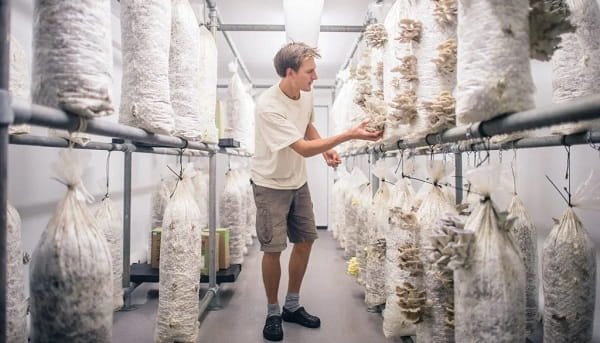
Advantages of a Mushroom Business
1. Low Land Requirement
One of the biggest advantages of a mushroom business is that it requires limited land compared to traditional farming.
Mushrooms can be cultivated in:
- Small rooms
- Sheds
- Indoor farming spaces
- Controlled environments
This makes mushroom farming suitable for small-scale entrepreneurs.
2. Growing Market Demand
The demand for mushrooms is increasing because consumers are looking for nutritious and healthy food options.
Mushrooms are popular among:
- Vegetarians
- Fitness enthusiasts
- Restaurants
- Hotels
- Food manufacturers
Growing demand creates good business opportunities.
3. Lower Initial Investment
Compared to many agricultural businesses, mushroom cultivation can be started with moderate investment.
Basic requirements include:
- Growing space
- Mushroom seeds or spawn
- Growing materials
- Temperature control equipment
- Packaging supplies
Small businesses can start gradually.
4. Fast Production Cycle
Mushrooms usually have a shorter production period compared to many crops.
Benefits include:
- Faster harvesting
- Regular production cycles
- Quick income opportunities
Multiple cycles can improve revenue potential.
5. Multiple Product Opportunities
A mushroom business can offer various products, including:
- Fresh mushrooms
- Dried mushrooms
- Mushroom powder
- Mushroom snacks
- Ready-to-cook products
Product diversification helps increase income sources.
6. Environment-Friendly Business
Mushroom farming supports sustainable agriculture.
Benefits include:
- Less land usage
- Utilization of agricultural waste
- Reduced water requirements
- Eco-friendly production methods
Sustainable practices attract environmentally conscious customers.
7. Good Profit Potential
Mushroom businesses can generate attractive profits through:
- Direct customer sales
- Restaurant supply
- Premium varieties
- Processed products
Proper cultivation and marketing improve profitability.
8. Opportunity for Rural Employment
Mushroom farming can create employment opportunities in rural areas.
Jobs can be created in:
- Cultivation
- Packaging
- Processing
- Distribution
- Marketing
This supports local economic development.
Disadvantages of a Mushroom Business
1. Requires Technical Knowledge
Successful mushroom cultivation requires proper understanding of:
- Growing conditions
- Temperature control
- Humidity management
- Disease prevention
- Harvesting techniques
Lack of knowledge can reduce production.
2. Sensitive Growing Conditions
Mushrooms require controlled environmental conditions.
Challenges include:
- Temperature changes
- Humidity problems
- Poor ventilation
- Contamination risks
Maintaining proper conditions is essential.
3. Risk of Crop Failure
Mushroom production can be affected by various problems.
Possible issues include:
- Fungal contamination
- Disease outbreaks
- Poor-quality spawn
- Incorrect cultivation methods
Crop losses can impact income.
4. Limited Shelf Life
Fresh mushrooms have a short shelf life.
Challenges include:
- Quick spoilage
- Storage requirements
- Transportation difficulties
- Wastage risk
Proper handling and refrigeration are important.
5. Market Awareness Challenges
In some regions, mushroom consumption may still be limited.
Businesses may need to invest in:
- Customer education
- Product promotion
- Market development
- Brand awareness
Building demand requires effort.
6. Temperature and Climate Dependency
Some mushroom varieties require specific conditions.
Challenges include:
- Seasonal changes
- Cooling expenses
- Climate control costs
Environmental management can increase operational expenses.
7. Competition in the Market
Competition exists from:
- Local mushroom growers
- Commercial farms
- Imported products
- Food companies
Businesses need quality products and reliable supply.
8. Processing and Storage Costs
Expanding beyond fresh mushrooms requires additional investment.
Expenses may include:
- Drying equipment
- Packaging machines
- Storage facilities
- Processing technology
Value-added products require more resources.
Tips for Building a Successful Mushroom Business
A successful mushroom business depends on proper cultivation, quality control, and marketing. Consider these strategies:
- Learn professional cultivation techniques.
- Choose suitable mushroom varieties.
- Maintain clean growing conditions.
- Monitor temperature and humidity.
- Use quality mushroom spawn.
- Develop reliable customer networks.
- Supply restaurants and retailers.
- Offer processed mushroom products.
- Use attractive packaging.
- Promote health benefits responsibly.
- Manage production costs carefully.
- Maintain consistent quality.
Is a Mushroom Business Profitable?
Yes, a mushroom business can be profitable because demand for healthy and nutritious food products continues to increase. Entrepreneurs can earn income through fresh mushroom sales, restaurant supply, processed products, and premium mushroom varieties.
Profitability depends on cultivation knowledge, production efficiency, market demand, operating costs, product quality, and sales channels. Businesses that maintain consistent production and develop strong customer relationships can achieve sustainable growth.
Conclusion
The mushroom business remains a promising opportunity in the agriculture and food industry in 2026. Growing demand for healthy foods, sustainable farming practices, limited land requirements, and multiple product opportunities continue to support market growth.
Although entrepreneurs must manage challenges such as technical requirements, environmental control, crop failure risks, limited shelf life, market development, competition, and processing expenses, the business provides several advantages, including low land requirements, growing demand, moderate investment, fast production cycles, product diversification, eco-friendly practices, profit opportunities, and employment creation.
Entrepreneurs who focus on quality cultivation, proper management, effective marketing, and customer relationships can build a successful and profitable mushroom business.
FAQs
Q: What are the main advantages of a mushroom business?
A: The main advantages include low land requirements, growing market demand, moderate investment needs, fast production cycles, multiple product opportunities, environmental benefits, profit potential, and employment opportunities.
Q: What are the disadvantages of a mushroom business?
A: Common disadvantages include technical knowledge requirements, sensitive growing conditions, crop failure risks, short shelf life, market awareness challenges, climate dependency, competition, and processing costs.
Q: Is a mushroom business profitable in 2026?
A: Yes, it can be profitable because demand for nutritious and sustainable food products is increasing. Profitability depends on cultivation skills, production management, market demand, and product quality.
Q: What types of mushrooms can be grown commercially?
A: Common commercial varieties include oyster mushrooms, button mushrooms, shiitake mushrooms, and other specialty mushroom varieties depending on climate and market demand.
Q: How much investment is required to start a mushroom business?
A: Investment depends on production scale. Major expenses include growing space, mushroom spawn, cultivation materials, equipment, packaging, storage, and marketing.
Q: How can a mushroom business attract customers?
A: Businesses can attract customers through restaurant partnerships, online marketing, fresh product supply, attractive packaging, health-focused promotion, and consistent quality.
Q: What skills are required to run a successful mushroom business?
A: Important skills include mushroom cultivation knowledge, environmental management, quality control, marketing, customer relationship management, financial planning, and production management.