Designing or upgrading a bathroom involves more than selecting tiles and fittings. Choosing between a water closet and a western toilet can feel confusing, especially since the terms are often used interchangeably. However, they differ in design, layout, and functionality, all of which influence comfort and practicality. The right option depends on factors such as available space, privacy needs, maintenance preferences, and overall design goals. Understanding how each fits into a modern bathroom can help you create a space that feels both functional and comfortable for everyday use.
What Is a Water Closet?
A water closet is a basic toilet system commonly used in many households. It is generally compact, functional, and designed for practical everyday use. Water closets are often preferred in spaces where simplicity and affordability are key considerations. They typically require a separate flushing system and are available in wall-mounted or floor-mounted formats. Their design prioritises utility over aesthetics, making them well-suited for smaller or traditional bathroom setups.
What Is a Western Toilet?
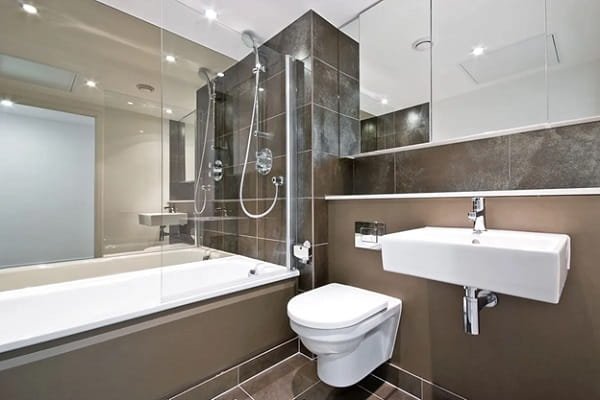
A western toilet is a modern seating-style toilet designed for comfort and ease of use. It is widely used in contemporary homes due to its ergonomic design and enhanced hygiene features. Western toilets usually come as a single integrated unit with a built-in flushing system. They are available in various designs, including wall-hung and floor-mounted options, making them suitable for modern bathroom layouts that prioritise comfort, accessibility, and style.
Water Closet And Western Toilet: Key Comparison
Understanding the differences between these two options helps homeowners make a confident, long-term decision. Beyond appearance, several practical factors influence everyday usability.
| Feature | Water Closet | Western Toilet |
| Design Structure | Simple construction, often with separate flush systems | Integrated and ergonomic design with built-in flushing |
| User Comfort | Basic usability, suited for quick and practical use | Designed for seated comfort and long-term ease of use |
| Accessibility | May not be ideal for elderly users or those with mobility issues | More accessible and comfortable for all age groups |
| Space Efficiency | Compact and suitable for smaller bathrooms | Available in wall-hung and compact models for flexible layouts |
| Installation Complexity | Easier and faster to install | Requires planned plumbing and professional installation |
| Water Efficiency | Standard flushing systems | Often includes dual-flush or water-saving features |
| Cleaning & Hygiene | Simple structure, but may require more manual cleaning | Smooth edges and concealed fittings simplify cleaning |
| Aesthetic Appeal | Traditional and functional appearance | Sleek, modern, and visually refined designs |
| Long-Term Maintenance | Fewer components, easy repairs | Advanced mechanisms may need periodic servicing |
| Suitability | Ideal for budget-focused or traditional bathrooms | Best suited for modern and comfort-focused homes |
This expanded comparison highlights how the choice is not only about style but also about comfort, maintenance, water efficiency, and long-term practicality. As homeowners weigh these factors, it becomes important to explore solutions that offer flexibility across both categories. Brands like Simpolo Tiles & Bathware address this need by offering both water closet and western toilet options, allowing users to choose designs that align with their space requirements, comfort preferences, and overall bathroom aesthetic.
Choosing the Right Option for Your Home
Selecting between a water closet and a western toilet depends on lifestyle, budget, and bathroom design goals. A water closet may suit homeowners prioritising simplicity, compact layouts, and cost efficiency. A western toilet is often preferred in modern homes where comfort, accessibility, and visual appeal are key considerations.
Bathroom flooring also plays an important role in the final decision. Well-chosen surfaces paired with thoughtfully designed fixtures help create a space that is practical, safe, and visually balanced. Durable materials with modern finishes can support long-term use while enhancing the overall look and feel of the bathroom.
Maintenance Tips for Long-Term Performance
Maintaining bathroom hygiene requires consistent care and the right approach. Simple practices can help preserve finishes, improve durability, and ensure reliable daily use.
- Regular Cleaning: Use mild, non-acidic cleaners to maintain hygiene without damaging surfaces.
- Avoid Harsh Chemicals: Strong cleaners can harm coatings and flushing components over time.
- Proper Ventilation: Good airflow reduces moisture, odour, and mould buildup.
- System Checks: Periodically inspect flushing systems to catch issues early.
- Dry Flooring: Keep floors clean and dry to improve safety and reduce the risk of slips.
Using durable, moisture-resistant flooring can further simplify maintenance in wet areas.
Conclusion
Both the water closet and western toilet offer valuable benefits depending on user needs and bathroom layouts. Water closets provide simplicity and efficiency, while western toilets deliver enhanced comfort and modern styling. The right choice depends on how the space will be used and the experience homeowners want to create. When combined with durable flooring and thoughtful planning, either option can contribute to a bathroom that feels clean, functional, and visually refined for years to come.